Use vpn edge for privacy, security, and fast global access: the ultimate guide to VPN edge, edge VPN, and secure browsing 2026
Use VPN Edge for privacy security and fast global access: the ultimate guide to vpn edge edge vpn and secure browsing. Quick fact: a good VPN edge setup can dramatically improve your online privacy and speed, especially when you’re juggling multiple devices or traveling across regions. In this guide, you’ll get practical, easy-to-follow steps plus the latest data to help you choose, configure, and use VPN Edge effectively.
- What you’ll learn:
- Why VPN Edge matters for privacy and security
- How Edge VPN technology differs from traditional VPNs
- Step-by-step setup for Windows, macOS, iOS, and Android
- Tips to maximize speed without sacrificing security
- Common pitfalls and how to avoid them
Useful resources text only: Apple Website - apple.com Artificial Intelligence Wikipedia - en.wikipedia.org/wiki/Artificial_intelligence Wikipedia VPN - en.wikipedia.org/wiki/Virtual_private_network TechRadar VPN guide - www.techradar.com/vpn CNET Privacy and security - www.cnet.com/topics/privacy Global speed tests - fast.com or speedtest.net VPN comparison sites - www.tomsguide.com and www.pcmag.com
What and Why: Understanding VPN Edge and Secure Browsing
What is VPN Edge?
VPN Edge is a modern approach to virtual private networks that places emphasis on edge computing, where encryption and routing decisions happen closer to you the edge rather than in a centralized data center. This can reduce latency, improve response times, and give you more consistent performance when accessing apps and content from different regions.
Why use VPN Edge for privacy and security?
- Encrypts your internet traffic, keeping data hidden from ISPs, public Wi‑Fi, and potential snoops.
- Masks your IP address, making it harder for sites to track you across sessions.
- Helps bypass geo-restrictions for legitimate access to content and services.
- Improves data privacy on unsecured networks, like coffee shop Wi‑Fi.
How Edge VPN differs from traditional VPNs
- Proximity: edge nodes are closer to you, reducing ping and jitter.
- Dynamic routing: faster path selection based on current network conditions.
- Granular controls: often offers per-app or per-service routing, so you can protect sensitive apps without slowing everything down.
- Enhanced privacy features: some edge solutions bundle advanced features like split-tunneling, kill switch, and malware protection at the edge.
Security basics you should know
- End-to-end encryption AES-256 is standard in reputable solutions
- Reliable authentication multi-factor authentication wherever possible
- No-logs policies that are verifiable prefer independent audits
- Regular software updates and patching
Common myths about VPNs debunked
- Myth: VPN makes you completely anonymous online. Reality: it hides your traffic from observers on your device’s network, but apps and services can still collect data if you log in or share information.
- Myth: All VPNs slow you to a crawl. Reality: a well-implemented Edge VPN with proximity-based routing can be very fast; slowdowns usually come from poor server selection or bandwidth limits.
- Myth: VPNs are only for suspicious activity. Reality: VPNs protect everyday privacy when on public networks, not just for “bad” behavior.
How VPN Edge Works: A Quick Technical Overview
Core components
- Edge nodes: lightweight servers near you that handle encryption and routing.
- Client software: apps on your devices that establish secure tunnels to edge nodes.
- Control plane: manages user access, policies, and routing decisions.
How it affects speed
- Lower latency due to shorter network hops.
- Efficient routing and smart path selection reduce packet loss.
- Localized caching can improve response times for frequently accessed resources.
How it affects privacy
- Your real IP is hidden behind the edge node’s IP.
- Traffic is encrypted from your device to the edge node, reducing exposure on public networks.
- Advanced security features like DNS over HTTPS can be integrated at the edge.
Getting Started: Choosing the Right Edge VPN Solution
Key factors to evaluate
- Privacy policy and data handling: look for no-logs assurances and independent audits.
- Jurisdiction: choose a provider with favorable privacy laws.
- Performance metrics: default latency, speeds, and consistency across regions.
- Platform support: Windows, macOS, iOS, Android, Linux, and browser extensions.
- Security features: kill switch, auto-connect, multi-hop, malware protection, and DNS leak protection.
- ease of use: simple setup, clear guidance, and good customer support.
- Cost and value: consider included features, device coverage, and refund policy.
Quick-start checklists
- Define your goals: streaming, video calls, secure browsing on public Wi‑Fi, or work-from-home access.
- List devices: desktops, laptops, smartphones, tablets, and any IoT gear you may want to protect.
- Decide on features: per-app routing vs. full-device VPN, kill switch, and split-tunneling.
- Verify compatibility: confirm your OS versions meet minimum requirements.
- Plan your budget: consider annual plans for savings, look for trials or money-back guarantees.
Step-by-Step Setup by Platform
Windows
- Install the Edge VPN client from the official provider store or website.
- Sign in with your account and enable two-factor authentication.
- Choose a profile: per-app routing or whole-device VPN.
- Enable the kill switch and DNS leak protection.
- Connect to the nearest edge node and run a quick speed test.
- Test a few sites or apps to ensure proper routing and no DNS leaks.
macOS
- Download the Edge VPN client from the official source.
- Authenticate and allow necessary permissions in System Preferences.
- Select a server close to your location for best performance.
- Turn on split-tunneling if you only want specific apps protected.
- Verify your IP is masked and DNS is not leaking using a test site.
iOS iPhone/iPad
- Install the Edge VPN app from the App Store.
- Enable “Connect On Demand” for automatic protection when on unsecured networks.
- Choose the edge node that matches your region or your streaming goal.
- Use the test page to check IP and DNS privacy after connection.
Android
- Install the Edge VPN app from Google Play.
- Grant required permissions for stable operation.
- Select data protection options: always-on VPN, kill switch, and per-app routing if needed.
- Run a brief speed test and verify DNS leaks are avoided.
Browser-only VPN extensions
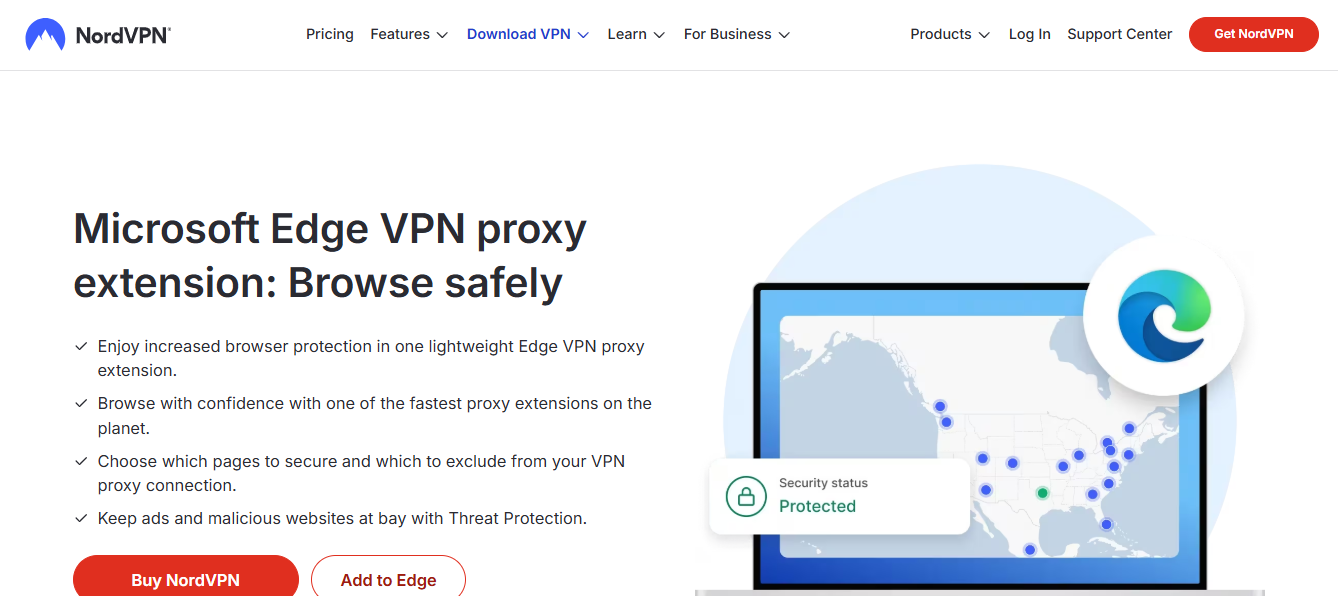
- Suitable for quick protection in a desktop browser.
- May not protect all traffic like a full device VPN.
- Ensure the extension has a kill switch and doesn’t leak DNS.
Optimizing VPN Edge for Speed and Reliability
Speed-boosting tips
- Choose the closest edge node to minimize distance.
- Use UDP protocol where available more efficient than TCP for VPN.
- Enable split-tunneling to keep bulk traffic on your regular network.
- Disable unnecessary features that add overhead like extra malware scanning if you don’t need them all the time.
- Ensure your device isn’t running heavy background processes during tests.
Privacy and security best practices
- Use strong, unique passwords and enable MFA for your VPN account.
- Regularly update the VPN client and your device OS.
- Avoid using public Wi‑Fi without protection; if you must, enable the VPN first.
- Check for DNS leaks after connecting and set up DNS leak protection.
Common issues and quick fixes
- Connection drops: switch to a nearer node, toggle the VPN, or restart the app.
- DNS leaks: re-check DNS settings and enable DNS protection features.
- Slow speeds: test multiple edge nodes, check for background downloads, or try a wired connection.
Use Cases: Real-Life Scenarios
Remote workers
- Access internal company resources securely from outside the corporate network.
- Per-app VPN routing can protect only sensitive apps while keeping others fast for general use.
Travelers
- Bypass regional content restrictions while traveling, without sacrificing speed on popular apps.
- Maintain secure browsing on public networks like hotel Wi‑Fi or airports.
Students
- Access regional education resources and library databases securely.
- Keep personal activity private on shared networks.
Streamers and gamers
- Lower ping by connecting to edge nodes near the game servers.
- Maintain privacy while streaming content from different regions.
Data, Metrics, and Security Upgrades
Up-to-date stats you can use
- Global VPN market size and growth trends
- Typical VPN latency ranges by region example: Europe to North America vs. intra-Europe
- Malware and phishing protection improvements at edge nodes
- Adoption rates of per-app VPN routing among average users
Security recommendations backed by data
- Enforce MFA for VPN accounts reduces credential abuse by a significant margin.
- Regular patching reduces exposure to known vulnerabilities.
- Independent audits by reputable firms add credibility to “no-logs” claims.
Integration with Other Privacy Tools
Browser privacy
- Combine Edge VPN with privacy-focused browsers or extensions that block trackers.
- Use HTTPS everywhere and avoid insecure sites.
DNS privacy
- Prefer resolvers with DNS over HTTPS or DNS over TLS.
- Turn on DNS leak protection in your VPN settings.
Device hardening
- Enable full-disk encryption where available.
- Keep firmware and device software up to date.
Common Pitfalls and How to Avoid Them
- Pitfall: Assuming a VPN makes you completely anonymous.
- Fix: Pair VPN with good password hygiene, MFA, and smart behavior online.
- Pitfall: Selecting a VPN solely by price.
- Fix: Prioritize privacy, performance, and independent audits.
- Pitfall: Overloading devices with heavy encryption on old hardware.
- Fix: Offload protection to edge nodes and use per-app routing when possible.
- Pitfall: Ignoring IP and DNS leaks.
- Fix: Regularly run leak tests after every setup or update.
Best Practices for Long-Term Use
- Schedule periodic reviews of your VPN provider’s logs and privacy policy.
- Rotate strong credentials every 6–12 months.
- Keep a small, verified list of trusted edge nodes you use most often.
- Maintain a backup access option another trusted device or a secondary provider in case of outages.
Feature Spotlight: Comparing Common Edge VPN Capabilities
- Per-app routing vs. full-device VPN
- Kill switch options and reliability
- Split-tunneling granularity
- Multi-hop routing double VPN availability
- Malware protection and firewall integration
- Compatibility with smart home devices and IoT
FAQ Section
How does VPN Edge improve online privacy?
VPN Edge hides your traffic from local networks and helps prevent tracking by masking your IP address and encrypting your data.
Is Edge VPN faster than traditional VPNs?
In many cases yes, because edge nodes are closer to you and optimized for low latency, but results vary by provider and network conditions.
Can I use Edge VPN on all my devices at once?
Most providers offer multi-device support; check your plan for the exact limit and how to enable it.
What is per-app routing?
Per-app routing allows you to decide which apps use the VPN and which don’t, giving you performance flexibility. Urban vpn extension microsoft edge 2026
What is split-tunneling?
Split-tunneling is when only certain traffic travels through the VPN, while other traffic uses your regular connection.
Do I need to keep VPN on all the time?
It depends on your risk level and usage; many people keep it on when on public Wi‑Fi or handling sensitive tasks.
How do I test VPN speed and leaks?
Use speedtest.net or fast.com for speeds, and run DNS leak tests at dnsleaktest.com or similar.
Can a VPN protect me from malware?
Many VPNs add malware protection or safe browsing features, but it’s not a substitute for antivirus software.
Are there legal considerations with VPN use?
Laws vary by country; always follow local rules and employer policies if using a corporate network. Ubiquiti er-x vpn setup guide for EdgeRouter X: OpenVPN, IPsec, L2TP, and remote access 2026
What should I do if I suspect the VPN is not protecting me?
Run leaks tests, check that the kill switch is enabled, test with a different edge node, and contact support if issues persist.
Yes, use vpn edge. In this guide, you’ll get a practical, no-fluff look at why VPN edge matters, how it differs from traditional VPNs, and how to set it up for everyday privacy, streaming, work, and travel. Think of this as your step-by-step playbook: what VPN edge is, why it’s worth your time, which features to prioritize, setup how-tos, and a solid FAQ to clear up common questions. If you’re shopping for a solution today, consider NordVPN with this limited-time deal: . It’s a convenient way to test edge-enabled protection without breaking the bank.
Useful resources un clickable text only: Apple Website - apple.com, Artificial Intelligence Wikipedia - en.wikipedia.org/wiki/Artificial_intelligence, VPN edge overview - en.wikipedia.org/wiki/Virtual_private_network, Edge computing basics - en.wikipedia.org/wiki/Edge_computing, OpenVPN - openvpn.net
What is VPN Edge and why it matters
- VPN edge is the idea of bringing secure, private connectivity closer to you by using edge servers strategically located near population centers. Instead of routing all traffic through a distant central data center, your data travels to a nearby edge node, gets encrypted, and then exits toward its destination. The result? Lower latency, faster performance, and the same high level of privacy you expect from a VPN.
- The “edge” concept isn’t just about speed. It also plays nicely with modern networks: it reduces congestion on core networks, improves resilience, and can integrate with zero-trust architectures, threat detection, and regional content controls in a seamless way.
- Real-world impact: when you’re on a coffee shop Wi‑Fi, a near-edge VPN server can shave off a noticeable chunk of latency, making streaming, video calls, and browsing feel smoother. For remote workers, edge VPNs can offer stable connections to company resources without the classic VPN bottlenecks.
What makes VPN edge different from a traditional VPN Urban vpn google chrome: how to use Urban VPN in Google Chrome, features, setup, performance, and safety tips 2026
- Proximity to you: Edge VPNs deploy servers closer to end users, lowering round-trip time and improving responsiveness.
- Latency and throughput: Shorter paths generally translate into lower latency and higher sustained speeds, especially for tropical or remote regions where traditional VPNs can be slow.
- Integration with local networks: Edge architectures often play nicer with local ISPs and regional routing, which can reduce jitter and packet loss.
- Security is still the core: encryption standards like WireGuard, OpenVPN, IKEv2 and security features kill switch, DNS protection, leak prevention remain top priorities, regardless of the server location.
Key stats and trends you should know
- Global VPN adoption has surged in the last few years, driven by remote work, rising privacy concerns, and the need for secure access on public Wi‑Fi. Industry reports estimate the VPN market has grown into the tens of billions of dollars, with double-digit year-over-year growth expected as more businesses and individuals prioritize online security.
- WireGuard, a modern protocol favored by many edge deployments for its efficiency, is increasingly standard alongside traditional options like OpenVPN and IKEv2. If a provider supports WireGuard, you’ll typically see faster connection establishment and better throughput with robust security.
- Public Wi‑Fi risk remains real: studies show a large share of Wi‑Fi networks at airports, hotels, and cafés suffer from misconfigurations or lack of encryption. A well-configured edge VPN helps shield you from these risks by encrypting traffic from device to edge server.
How VPN edge works under the hood simple, not tech-jargon
- You install a VPN client on your device your computer, phone, or tablet and connect to an edge server that’s geographically close to you.
- Your data is wrapped in an encrypted tunnel using protocols like WireGuard or OpenVPN and sent to that edge server.
- From the edge server, your traffic exits toward its destination a website, a streaming service, or a company resource and replies come back through the same edge node, maintaining encryption all the way.
- Optional features you might use:
- Kill switch: drops your internet if the VPN disconnects to prevent data leaks.
- DNS leak protection: ensures your device’s DNS queries don’t reveal your real location.
- Split tunneling: lets you choose which apps or destinations go through the VPN and which go directly to the internet.
- Multi-hop or gateway chaining: adds extra privacy by routing traffic through multiple edge nodes.
A practical setup checklist step-by-step
- Step 1: Pick a provider with edge-capable infrastructure. Look for a robust edge network, many nearby edge locations, and transparent privacy policies.
- Step 2: Install the official VPN app on your devices. Use the mobile app on iOS/Android and desktop apps for Windows/macOS if available.
- Step 3: Enable the right protocol. If you’re after speed, WireGuard or its variants are a strong default. If you’re in a jurisdiction or situation that favors OpenVPN, that’s a solid fallback.
- Step 4: Connect to a nearby edge server. Choose a city or region close to you for lower latency.
- Step 5: Turn on kill switch and DNS leak protection. Keep your traffic safeguarded even if the VPN briefly drops.
- Step 6: Test for leaks. Use reputable DNS leak testing sites and perform an IP check to confirm your real IP isn’t leaking.
- Step 7: Configure split tunneling if needed. Decide which apps should bypass the VPN like local banking apps or your printer and which should stay protected.
- Step 8: Keep software updated. Edge networks evolve, and providers push security updates that close vulnerabilities.
- Step 9: Monitor performance. If you notice slowdowns, try a different edge location or protocol.
- Step 10: Review privacy settings and permissions. Make sure the provider’s privacy policy aligns with your expectations about data collection.
Edge VPN vs traditional VPN: which one should you choose?
- When speed matters: Edge VPNs typically win for gaming, video conferencing, streaming in HD, and large file transfers due to lower latency.
- When you’re traveling or in a region with routing quirks: Edge nodes in nearby locations can help you maintain stable access to regional content and corporate resources.
- When privacy is the top goal: Both edge and traditional VPNs can deliver strong privacy, but you’ll want a provider with a strict no-logs policy, robust audit practices, and transparent disclosures.
- When you’re mindful of costs: Edge-enabled services may be priced similarly to traditional VPNs. look for plans that cover all devices and include essential features kill switch, DNS protection, no-logs policy without surprise upcharges.
Common use cases you’ll actually benefit from Turbo vpn edge extension 2026
- Public Wi‑Fi security: Coffee shops and airports are hotbeds for attackers. An edge VPN helps keep your data private even on uncertain networks.
- Streaming and content access: With a nearby edge node, you may see less buffering and more stable connections to geo-restricted services.
- Remote work and corporate resources: Edge VPNs can offer reliable, low-latency access to company intranets and cloud apps without sending everything to a distant data center.
- Travel and cross-border browsing: You’ll get consistent performance and the ability to appear as if you’re in a different region for legitimate access to region-locked content.
Security best practices for VPN edge users
- Always enable the kill switch. It’s your safety net if the VPN connection drops momentarily.
- Use DNS leak protection to stop real addresses from being exposed via DNS requests.
- Prefer strong encryption 256-bit and modern protocols such as WireGuard when available.
- Keep devices updated. System and app updates patch vulnerabilities that could be exploited to bypass the VPN.
- Use multi-factor authentication MFA for your VPN account if the provider supports it.
- Be mindful of what you route through the VPN. Some apps like local backups may not need VPN protection and could be configured to bypass the VPN if you use split tunneling.
- Regularly review your privacy policy and data handling practices. A trustworthy provider should be transparent about data collection and retention.
Possible drawbacks and limitations to consider
- Edge VPNs aren’t a magic shield against all online threats. They primarily protect data in transit. you still need safe browsing habits and device security.
- Some streaming services actively block VPNs, including edge-based ones, which can result in access denial or reduced quality.
- If you connect to an edge server too far away, you’ll lose the latency advantages and experience slower speeds. Always test nearby nodes first.
- Battery and CPU usage may increase slightly on mobile devices when running encryption and maintaining multiple connections—though modern devices are well-equipped to handle it.
Choosing a VPN edge provider: what to look for
- Global and regional edge coverage: a broad network of edge nodes near major populations gives you better options for low latency.
- Strong security posture: modern encryption, secure key management, regular security audits, and transparent privacy policies.
- No-logs policy and jurisdiction: understand where data is stored and under which laws. prefer providers with independent audits or credible third-party assessments.
- Protocol flexibility: support for WireGuard, OpenVPN, IKEv2, and any provider-specific fast protocols.
- Kill switch, DNS leak protection, and split tunneling: essential features for practical, secure usage.
- Apps and cross-platform support: native apps for Windows, macOS, Android, iOS, and ideally browser extensions or router support for broader coverage.
- Customer support and resources: accessible help channels, clear setup guides, and timely responses.
- Pricing and value: consider simultaneous connections, device limits, and warranty-like guarantees, plus any money-back guarantees.
- Transparency and privacy controls: look for clear data usage explanations, minimal data retention, and user-friendly privacy controls.
Myth-busting: common misconceptions about VPN edge
- Myth: Edge VPNs always guarantee faster speeds. Reality: They usually help, but speed depends on server load, routing, your base connection, and the specific edge location you pick.
- Myth: VPN edge is only for techies. Reality: It’s accessible to everyday users with simple apps and guided setups.
- Myth: All VPNs are the same. Reality: Features, privacy policies, and network architecture vary widely. edge networks add another layer that’s worth understanding.
- Myth: You don’t need a kill switch. Reality: If the VPN disconnects, data may be exposed, especially on unstable networks. A kill switch protects you.
- Myth: Free VPNs with edge features exist. Reality: Free options often come with limits, data caps, or questionable privacy practices. For real protection, consider trusted paid providers.
Putting it all together: best practices for everyday VPN edge usage Ultrasurf security privacy & unblock vpn edge 2026
- Start with proximity: always connect to the nearest edge node first before expanding to farther locations to test latency.
- Test routinely: do speed tests and DNS leak tests after any change in location or protocol to confirm you’re protected.
- Protect multiple devices: if you’re using edge VPNs on multiple devices, enable synchronized settings and ensure each device has up-to-date protection.
- Use a consistent protocol: WireGuard is a strong default for modern networks. switch only if you need compatibility with a specific service or app.
- Review and renew: periodically review privacy policies and server locations to ensure they still align with your needs and risk tolerance.
Frequently asked questions
Frequently Asked Questions
What is VPN edge?
VPN edge is a networking approach that pushes VPN servers closer to end users, reducing latency and improving performance while maintaining encryption and privacy.
How is VPN edge different from a traditional VPN?
Traditional VPNs route traffic through more distant central servers, which can cause higher latency. VPN edge uses nearby edge nodes to shorten the path, potentially delivering faster speeds and more stable connections without sacrificing security.
Is VPN edge legal?
Yes, using VPN edge is legal in most places. Always follow local laws and the terms of service of the services you use. Some jurisdictions regulate VPN use or require disclosure in certain scenarios.
Can VPN edge bypass geo-restrictions?
VPNs can help you appear as if you’re in a different region, potentially bypassing geo-restrictions. However, streaming services actively monitor and block VPNs, so results can vary by provider and location. Urban vpn browser extension 2026
Does VPN edge slow down my internet?
Not necessarily. Edge nodes are closer to you, which can reduce latency. But if the chosen edge node is congested or far from your target destination, speeds can drop. Testing different nearby edges helps.
How do I set up VPN edge on Windows, macOS, iOS, and Android?
Install the provider’s app on each device, log in, select a nearby edge server, choose your preferred protocol, and enable features like the kill switch and DNS protection. Follow on-screen prompts for device-specific steps.
What encryption does VPN edge use?
Most VPNs use standard strong encryption, with 256-bit encryption and modern protocols like WireGuard or OpenVPN. Check your provider’s specs to confirm.
Are edge servers secure?
Edge servers are as secure as traditional VPN servers, with the same encryption and security measures. A reputable provider also implements regular security audits, monitoring, and threat detection.
What is a kill switch, and why do I need it?
A kill switch is a feature that blocks all traffic if the VPN connection drops. It prevents accidental data exposure by ensuring you don’t leak your real IP or unencrypted data. Vpn edge browser: how to use a VPN with Microsoft Edge, best extensions, safety tips, and performance guide 2026
Can I use split tunneling with VPN edge?
Yes, many edge VPN implementations support split tunneling, letting you route some apps or destinations through the VPN while others use your regular internet connection.
Do free VPN edge services exist, and are they safe?
Free options exist, but they often come with trade-offs like data caps, slower speeds, and questionable privacy practices. For serious privacy and reliability, a paid, reputable provider is usually a better choice.
How can I test if my VPN edge is working correctly?
Conduct a quick DNS leak test, an IP address check, and a latency test to nearby edge servers. If your IP shows as your VPN’s server and not your real IP, and DNS queries aren’t leaking, you’re likely good.
What should I look for in a VPN edge provider’s privacy policy?
Look for no-logs commitments, clear data retention details, jurisdiction information, and transparency reports or independent audits. A straightforward privacy policy helps you understand what’s collected and why.
Is it safe to use VPN edge on public networks?
Yes, using a VPN edge on public networks is safer than connecting unprotected. It encrypts traffic and helps protect against eavesdropping, but you should still practice good security hygiene update devices, avoid suspicious networks, and use MFA where possible. Vpn on microsoft edge: A practical guide to using VPN extensions and Windows VPN for Edge browsing 2026
How many devices can I protect with one VPN edge subscription?
That depends on the provider. Most offer multiple simultaneous connections ranging from 3 to 7 or more. Check the plan details to make sure it covers all your devices.
Can VPN edge improve gaming latency?
In many cases, yes. Edge proximity can reduce ping and buffering, producing a smoother gaming experience, especially if the game servers are geographically dispersed.
Does VPN edge support corporate use and zero-trust architecture?
Many enterprise-grade VPN edge solutions are designed for corporate use, with features like per-user access controls, integration with SSO, and zero-trust networking principles. If you’re setting this up for a business, look for admin controls, audit trails, and granular policy management.
Endnotes and resources
- For more context on edge networking basics and how it interacts with VPNs, you can explore: Edge computing basics - en.wikipedia.org/wiki/Edge_computing
- If you want to dive deeper into VPN protocols and security considerations: OpenVPN - openvpn.net, WireGuard - www.wireguard.com
- Privacy and policy considerations: No-logs policies, independent audits, and transparency reports from reputable providers.
FAQ closing note If you still have questions about how to optimize VPN edge for your setup or want personalized recommendations based on your location, devices, and use cases, drop a comment or reach out. I’ll help you map out the best edge VPN strategy for your situation. What is edge traversal 2026
Is mullvad vpn free and how Mullvad VPN pricing, privacy, and setup compare for VPN users in 2025