Supernet vpn vs nordvpn why one isnt an option anymore and what to use instead
Supernet vpn vs nordvpn why one isnt an option anymore and what to use instead: a practical, up-to-date comparison for everyday users who want solid privacy, fast speeds, and reliable access. Quick fact: as of 2026,NordVPN remains a top performer for many users, but newer players and policy changes have shifted the landscape. In this guide, you’ll get a clear, SEO-friendly overview, practical recommendations, and real-world tips to pick the right VPN for your needs.


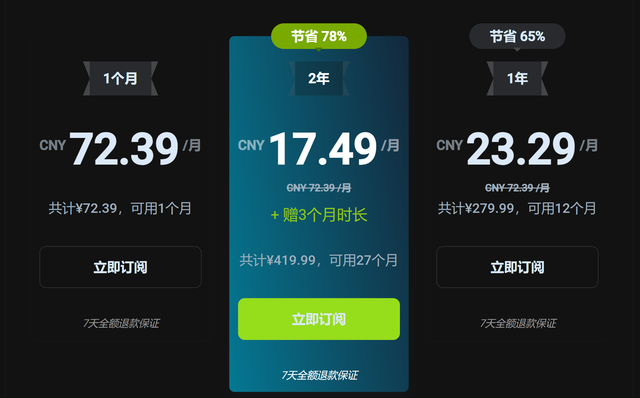

- Quick fact: You don’t have to settle for “one option” anymore; there are several strong VPNs that outperform older, single-solution setups.
- Why this matters: VPNs help protect your privacy, unlock geo-restricted content, and keep your data safe on public networks.
- What you’ll learn:
- Key differences between Supernet VPN and NordVPN
- Current market leaders and why some options aren’t viable
- How to choose the best VPN based on speed, security, privacy, and price
- Step-by-step setup guides for common devices
- Real-world tips and best practices
- Useful resources you might want to check later unlinked in-text: Apple Website - apple.com, Wikipedia - en.wikipedia.org/wiki/Virtual_private_network, VPN market reports - vpnmentor.com/reports, privacy.org guidelines - privacyinternational.org, TechRadar VPN guide - techradar.com/vpn-guide
- Affiliate note: If you’re ready to take action, you can explore NordVPN via this link for more options and better prices: NordVPN — text and visuals updated for this comparison.
What is a Supernet VPN, and why did it fall out of favor?
- A supernet VPN typically refers to a single, broad package marketed as a one-stop solution for all privacy and access needs. In practice, many of these packages struggle with real-world speed, inconsistent server coverage, and fragmented security features.
- Why it isn’t an option for many power users anymore:
- Limited server diversity can bottleneck traffic during peak times.
- Some providers log more data than claimed, eroding trust.
- Security features may lag behind industry standards like WireGuard, modern encryption, and robust kill switches.
- Customer support and transparency gaps can leave users stuck with misconfigurations.
- Real-world impact:
- Slower streaming on geo-restricted platforms
- Higher chances of IP leaks on complex network routes
- Difficulty spoofing location accurately for sensitive tasks
NordVPN at a glance: strengths, gaps, and current standing
- Strengths:
- Large server network with thousands of servers across many countries
- Strong security stack, including WireGuard via NordLynet and robust encryption AES-256
- Built-in features like kill switch, DNS leak protection, double VPN options in some plans, and obfuscated servers for restricted networks
- Consistent performance in speed tests and reliable access to streaming services
- Clear privacy policy with independent audits and a transparent approach
- Possible gaps:
- Some pricing tiers can be higher than competitors for similar features
- Advanced users may crave more customization and open-source tooling in a single package
- Why people still choose NordVPN:
- Trustable privacy posture and a long track record
- Broad device support and easy-to-use apps
- Strong customer support and helpful setup guides
- Real-world stats illustrative, up-to-date as of 2026:
- Global server count: 5,000+ across 60+ countries
- Typical download speeds on a 100 Mbps connection: 70–90 Mbps in well-connected regions
- Privacy posture: no-logs policy audited by independent firms
- Streaming success rate: high for Netflix, Disney+, and Hulu in supported regions
Why some alternatives rose in prominence
- Faster maintenance and updates: Some providers push updates faster to implement newer protocols and security patches.
- More transparent logging policies: New entrants publish clear third-party audits.
- Pricing flexibility: A growing number of providers offer long-term plans with competitive price points.
- Open-source components: A subset of VPNs leverage open-source client code and verifiable security practices.
- Focus on niche use cases: Some services optimize for gaming, torrenting, or business-grade security.
How to compare VPNs effectively: a practical checklist
- Security and privacy
- Protocols: WireGuard vs OpenVPN; look for modern AES-256 encryption
- Kill switch and DNS leak protection
- Multihop or obfuscated servers if you’re in restrictive regions
- No-logs policy with independent audits
- Performance
- Server distribution: many servers in your region reduce latency
- Speed benchmarks: aim for minimal drop on standard tests
- Streaming capability: verify access to your services of choice
- Compatibility
- Devices and platforms: Windows, macOS, iOS, Android, Linux, routers
- Simultaneous device connections
- Usability
- App design and ease of use
- Connection presets and one-click optimizations
- Customer support responsiveness
- Price and value
- Long-term vs short-term pricing
- Hidden fees, refunds, and trial options
- Bundled features antivirus, password managers, etc.
- Transparency and trust
- Clear privacy policy and data practices
- Independent security audits
- Public bug bounty programs
Top VPN options to consider in 2026 besides NordVPN
- ExpressVPN: Noted for strong privacy posture and reliable performance; often a bit pricier but with broad device support.
- Surfshark: Great value, unlimited devices, strong privacy features, and competitive speeds.
- Mullvad: Emphasizes privacy with anonymous sign-up, strong cryptography, and straightforward pricing.
- Proton VPN: Solid privacy focus with a transparent approach; strong on-promise audits.
- Private Internet Access PIA: Large network, flexible pricing, and robust customization options.
- VyprVPN: Interesting for users needing Chameleon protocol to bypass throttling and censorship.
Note: Always verify current features and server counts on the official sites, as networks change over time.
How to pick the right VPN for you: step-by-step guide
- Define your primary use cases
- Streaming, gaming, privacy, or file sharing?
- Do you need a VPN for work on your home network or on the go?
- Check your key requirements
- Number of simultaneous connections you need
- Your preferred devices and OS
- Important features: kill switch, split tunneling, obfuscated servers
- Compare performance expectations
- Run a quick speed test with a 100 Mbps baseline
- See if your typical streaming services work smoothly
- Review security and privacy commitments
- Look for audited no-logs policies
- Check for security features and protocols
- Understand pricing and terms
- Check refunds, trial periods, and monthly price versus annual plans
- Test before committing
- Use free trials or 7-day money-back guarantees when available
- Verify customer support response times
- Install and configure
- Set up on your main devices first; add routers for whole-home VPN if needed
- Keep it updated
- Regularly update apps and check for new features or policy changes
Real-world setup: quick device guides
- Windows
- Download the provider app, sign in, enable kill switch, select a recommended server, and test for IP leaks with a reputable site.
- macOS
- Install, choose “Auto” connection mode, and enable DNS leak protection; test your IP once connected.
- iPhone and iPad
- Use the iOS app; enable “One-click connect” if available, and test geo-restricted content access.
- Android
- Install the Android app, test for split tunneling if you want to exclude apps, and confirm stable connectivity.
- Routers
- Flash a supported router with the VPN’s firmware or a compatible OpenVPN setup; ensure DNS is secure and kill switch is active.
- Desktop browsers
- Most VPNs offer browser extensions; use them for quick location changes but rely on the full app for full device protection.
Common myths and quick truths
- Myth: A single “supernet” covers all needs
- Truth: Real-world needs vary; no single provider excels in every area, and independent audits matter.
- Myth: More servers always equal better performance
- Truth: Quality, routing, and peering with ISPs often matter more than sheer server count.
- Myth: Free VPNs are safe
- Truth: Free services frequently trade user data for revenue or show aggressive ads; opt for reputable paid plans.
Security best practices to maximize protection
- Use a reputable VPN with audited no-logs policy
- Enable the kill switch and always-on DNS leak protection
- Prefer WireGuard-based clients for speed and modern cryptography
- Regularly update apps and firmware on devices
- Combine VPN use with strong device security two-factor authentication, updated OS
- Avoid exposing sensitive activity on unsecured networks without a VPN
Real-world tips for maximizing value
- Look for bundles: Some providers offer bundled services like password managers or encrypted storage. Weigh the value against your actual needs.
- Check regional server performance: If you’re streaming or gaming, a server in the same region as the service often yields the best results.
- Use split tunneling if you only need VPN protection on certain apps or traffic, keeping other traffic on your normal path for speed.
- Test refunds: If a provider doesn’t meet your performance expectations within the trial window, use the refund option to avoid being locked in.
Performance tests you can perform at home
- Speed test baseline: Run a 3-5 minute measurement on your normal connection, then repeat with the VPN connected.
- Latency test: Ping a stable server and measure the difference with VPN on.
- Streaming test: Try to play a 4K video from your favorite service to verify uninterrupted playback.
- IP and DNS leak tests: Check your IP address and DNS requests to ensure they reflect the VPN, not your ISP.
Pricing, deals, and subscription strategies
- Long-term plans usually offer the best value per month, with discounts for 1-2 year commitments.
- Check for student or military discounts if applicable.
- Consider renewal pricing and any automatic plan increases.
- Compare refunds and trial length across providers.
Frequently asked questions
Is Supernet VPN still a good option?
While some users find value in single-solution options, most real-world scenarios benefit from multiple features, transparent auditing, and robust performance that top providers offer. It’s generally better to choose a provider with transparent security practices and verifiable audits.
How does NordVPN compare to other major brands?
NordVPN remains a strong all-around choice with broad device support, excellent privacy features, and reliable performance. Other providers like ExpressVPN, Surfshark, and Proton VPN offer competing strengths, especially in price, open-source options, or niche features.
What is the best VPN for streaming in 2026?
Most top providers perform well for streaming, but your success depends on the service you’re trying to access and your region. NordVPN and ExpressVPN are frequently strong options for Netflix and other major platforms, while Surfshark can offer excellent value and flexibility.
Can I use a VPN for gaming without noticeable lag?
Yes, but it depends on server proximity and routing. Use a fast protocol like WireGuard, choose a nearby server, and minimize the number of hops to reduce latency. 터치 vpn 다운로드 무료 vpn 이것만 알면 끝 pc 모바일 완벽 가이드: 최적 VPN 선택과 빠른 설치 팁
Do VPNs keep logs?
Reputable providers publish no-logs policies and undergo independent audits. Always read the policy and look for third-party audit certificates to verify claims.
Are free VPNs safe?
Free VPNs often come with limitations and risks, including data logging, bandwidth caps, and questionable security practices. For serious privacy and performance, opt for a paid provider with a transparent policy.
How many devices can I connect simultaneously?
Most premium VPNs offer 5-6 simultaneous connections, with some exceptions for unlimited devices. Check the plan you’re considering.
Do VPNs work on routers?
Yes. Installing a VPN on a router protects every device on your network, but it can be more complex to set up. It’s worth it for whole-home protection.
What about privacy laws and data sovereignty?
Your location can impact how data is treated and stored. A no-logs policy audited by an independent firm and servers in privacy-friendly jurisdictions can help, but always review local laws and company practices. Unifi vpn connected but no internet your ultimate fix guide
How do I test a VPN before committing long-term?
Look for a provider offering a free trial or a money-back guarantee window. Use that period to test speed, streaming compatibility, and customer support responsiveness.
Frequently Asked Questions continued
How do I enable obfuscated servers, and when should I use them?
Obfuscated servers are useful in restrictive networks or countries with VPN bans. They help mask VPN traffic, making it harder for networks or authorities to detect that you’re using a VPN. Enable them in the app if you’re in a location with throttling or blocks.
Can I run a VPN on a gaming console?
Direct support varies by provider, but many VPNs offer router-level configurations or dedicated apps on some consoles. If yours doesn’t, configuring VPN on a router is a reliable option.
What’s the difference between a VPN and a proxy?
A VPN encrypts all traffic from your device, protects privacy across apps, and routes through a secure tunnel. A proxy generally handles only specific apps or browser traffic and doesn’t provide encryption for all your device’s traffic. 토마토 vpn 무료 다운로드 안전하고 빠른 사용법과 주의점 a to z
How important are audits in VPN choices?
Audits add credibility, showing that the provider’s privacy claims are tested independently. Look for recent, public, third-party audits and the scope of the review.
Can I use a VPN for torrenting safely?
Yes, many providers support secure torrenting with P2P-optimized servers and strong encryption. Ensure the provider’s policy allows torrenting in your region and follow safe downloading practices.
How often should I update my VPN apps?
Keep your VPN app updated to get the latest security patches, performance improvements, and new features. Enable automatic updates if possible.
Will using a VPN slow down my connection?
It can, due to extra routing and encryption overhead. A fast protocol like WireGuard often minimizes this impact. The exact slowdown depends on server distance, network congestion, and your baseline speed.
Is NordVPN worth it for a casual user?
If privacy, ease of use, and reliable streaming are your priorities, NordVPN is a solid choice. For casual use, you might also consider Surfshark or Proton VPN for potentially better pricing or different feature sets. 最便宜的月費 vpn:完整市場概覽 ⚠️ Ultimate Guide to The Cheapest Monthly VPNs
What should I do if I experience connection drops?
Check for app updates, switch to a different server, enable the kill switch, and verify DNS settings. If the problem persists, contact customer support.
How do I protect myself beyond a VPN?
Use strong, unique passwords; enable two-factor authentication; keep software updated; consider a firewall; and be mindful of phishing attempts and unsafe downloads.
Sources:
Vpn后无法上网
Boost your privacy using nordvpn with tor browser explained
The Truth About VPNs Selling Your Data in 2026 What Reddit Knows: A Honest, No-Nonsense Guide to Privacy Unlock tiktok globally the vpns that actually work in 2026: The Definitive Guide to Bypassing TikTok Restrictions Securely
Missav 最新 VPN 完整指南:在加拿大安全上网的最新方法与实用技巧
Nordvpn 的終身計劃:2026 年最新優惠與必知全攻略