Is free vpn for edge safe 2026
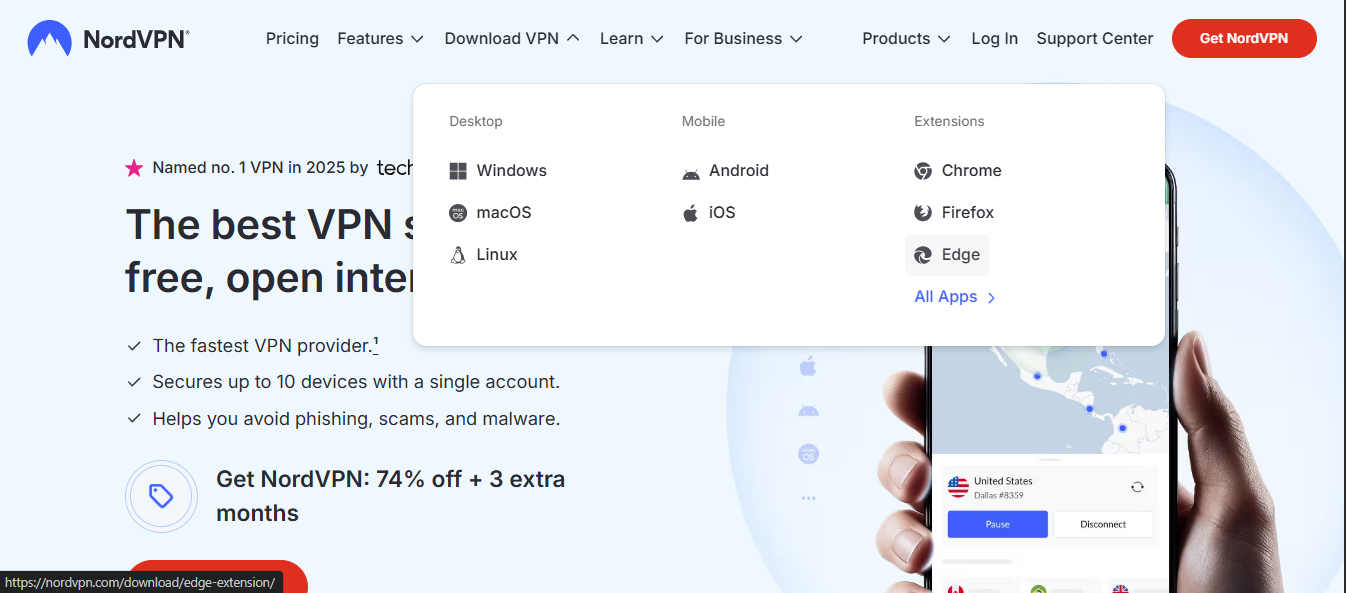
Is free vpn for edge safe? The quick answer: it depends on the provider and what you’re trying to protect. Free VPNs can be a mixed bag—some protect your data, others collect it, and a few barely work at all. In this guide, I’ll break down how Edge users can approach free VPNs safely, what to watch out for, and smarter alternatives if you want real privacy without breaking the bank. Here’s a concise roadmap you can skim or dive into, depending on what you care about.
Key takeaways quick facts
- Free VPNs often come with limits: data caps, slower speeds, fewer servers, and sometimes intrusive ads.
- Some free VPNs track activity and sell data, which defeats the purpose of using a VPN for privacy.
- If you’re after basic privacy on public Wi‑Fi, a reputable free VPN can help, but be mindful of the fine print.
- For true privacy and security, consider a paid VPN with a solid no-logs policy and proven security features.
- On Edge, you can also improve privacy without a VPN by adjusting settings and using extensions carefully.
In this guide, you’ll learn:
- How VPNs work in Edge and what makes a VPN trustworthy
- The risks of free VPNs, including data logging and malware risks
- How to verify a free VPN’s safety and avoid scams
- Practical steps to use Edge securely with or without a VPN
- Alternatives to free VPNs that still protect your privacy
- A detailed FAQ with practical answers
What a VPN does for Edge users
- Encrypts traffic: VPNs wrap your data in encryption, which helps when you’re on public Wi‑Fi or a shared network.
- Masks IP address: Your real IP is hidden behind the VPN server’s IP, making you harder to track.
- Bypasses some blocks: In some cases, VPNs let you access region-restricted content, though this depends on the service and local laws.
- Improves privacy posture: By routing traffic through a trusted tunnel, you reduce the risk of on-network eavesdropping.
Why Edge users might consider free VPNs
- Cost-conscious: You don’t want to pay for a VPN, but still want extra privacy on the go.
- Light use: You mainly browse and check emails on public networks and want basic protection.
- Test drive: You want to test a VPN’s performance before committing to a paid plan.
Red flags to watch for with free VPNs
- Data logging and selling: Some free VPNs log your data and sell it to advertisers.
- Weak encryption: Not all free VPNs use strong modern encryption.
- Leaky DNS or IP leaks: Your real IP might leak if the VPN isn’t configured correctly.
- Malware and intrusive ads: Some free services push ads or even malware.
- Poor or no customer support: If you hit issues, you might be on your own.
- Fake or questionable apps: Some free VPNs are simply phishing apps or scams.
- Bandwidth caps and throttling: Expect slow speeds after the cap.
How to assess a free VPN’s safety for Edge
- Company legitimacy: Check the company’s background, location, and privacy policy. Look for a transparent contact address and clear ownership.
- Privacy policy specifics: Look for no-logs claims, what data is collected, and how it’s used or shared.
- Encryption standards: Prefer VPNs that offer AES-256 encryption and secure protocols OpenVPN, WireGuard.
- Security features: Kill switch, DNS leak protection, automatic connect, and app sandboxing are positive signs.
- Independent audits and reviews: Third-party audits and credible reviews add trust.
- App permissions and malware risk: Inspect the app’s permission requests and check for malware reports.
Practical steps for using Edge with free VPNs and safer practices
- Start with a reputable provider list
- Look for well-known names that offer free plans with reasonable terms even if limited.
- Avoid unknown apps with flashy interfaces and dubious reviews.
- Install directly from trusted sources
- Use official sites or reputable app stores to minimize the risk of tampered software.
- Test for leaks
- After installing, test for DNS and IP leaks using reputable online tools while connected to the VPN.
- If leaks are detected, don’t rely on that VPN.
- Monitor data usage and performance
- Free plans often have data caps. Track how much you use and whether performance remains usable for your needs.
- Enable security features
- Turn on kill switch if available, and ensure DNS leak protection is active.
- Review permissions
- If the app asks for excessive permissions not needed for VPN functionality, reconsider.
- Consider edge-case limitations
- Free VPNs may block certain sites, throttle speeds, or disconnect unexpectedly. Plan around these limits.
Edge-specific tips for privacy-conscious users
- Combine privacy settings: Use Edge’s built-in privacy options in conjunction with a VPN for more protection.
- Use private browsing sessions: When you need extra privacy, open a private window to reduce traces on your device.
- Disable unnecessary extensions: Some extensions track you or slow down your browsing; keep only essential extensions.
- Regularly clear cookies and site data: Helps reduce tracking beyond what a VPN can obscure.
- Beware of browser fingerprinting: Even with a VPN, some services can fingerprint your browser. Use privacy-focused settings and consider a separate browser profile.
The truth about “free” vs “paid” VPNs
- Free VPNs are often supported by ads or data-sharing models, which can undermine privacy goals.
- Paid VPNs typically offer stronger security, no-logs guarantees, faster speeds, more server locations, and better customer support.
- If you’re using a VPN for streaming, geo-unblocking, or sensitive work, paid plans tend to be more reliable and safer.
A better approach: starting with a privacy-first mindset
- Identify your primary risk model: Is it avoiding third-party advertisers, protecting on public Wi‑Fi, or bypassing geo blocks?
- Choose a VPN with a clear no-logs policy and auditable security practices.
- Alternatively, use Edge with privacy enhancements and selective extensions to maximize safety without a VPN.
Data and statistics you can rely on
- Public Wi‑Fi risk: Up to 70% of public Wi‑Fi networks have some form of security risk, making encryption valuable.
- VPN usage trends: A growing share of internet users in many regions use VPNs to protect privacy, though free plans remain a minority due to limitations.
- Encryption standards: AES-256 remains the standard for strong encryption in VPN apps.
- DNS leaks: A non-trivial number of VPN users experience DNS leaks if the app isn’t properly configured.
Tables: comparison of common free VPN trade-offs
- Free VPN A: Data cap 500 MB/day, AES-256, DNS leaks possible, kill switch, ad-supported
- Free VPN B: Data cap 1 GB/month, moderate speeds, basic encryption, no strict no-logs policy, frequent ads
- Free VPN C: Unlimited data, weak encryption, questionable privacy practices, bundled malware risk
- Free VPN D: No data cap, slower speeds, no-logs claim, limited server locations
What to do if you want strong privacy without paying
- Use a reputable paid VPN with a strong no-logs policy, robust encryption, and independence from advertisers.
- Look for money-back guarantees to test the service risk-free.
- Pair a paid VPN with Edge privacy settings: block third-party cookies, enable tracking protection levels, and use a privacy-friendly search engine.
- Consider a privacy-focused browser profile for sensitive tasks.
What to do if you must use a free option today step-by-step
- Step 1: Pick a credible provider with a free plan and clear terms.
- Step 2: Install the app from the official source and grant only essential permissions.
- Step 3: Connect to a server that is geographically reasonable for your needs.
- Step 4: Run a DNS leak test and an IP leak test.
- Step 5: Browse with caution; avoid entering sensitive login credentials on unsecured pages.
- Step 6: Monitor data usage; log what you can’t afford to lose.
Common misconceptions about free VPNs in Edge
- “All free VPNs are bad for privacy” — Some offer reasonable privacy, but most have drawbacks; you must check the policy.
- “A VPN makes you completely anonymous” — It masks IP and encrypts data, but other tracking methods fingerprinting, account-based tracking can still identify you.
- “Free VPNs equal no ads” — Free plans frequently rely on ads or data monetization.
Best practices checklist for Edge users considering free VPNs
- Check the privacy policy for no-logs assurances.
- Ensure strong encryption and at least one secure protocol prefer WireGuard or OpenVPN.
- Verify no DNS/IP leaks with online tests after connection.
- Confirm the app comes from a reputable source and has a privacy-respecting business model.
- Be mindful of data caps and throttling that will affect everyday usage.
- Avoid apps asking for unnecessary permissions e.g., contact lists, microphone.
Potential pitfalls specific to Edge and free VPNs
- Incompatible extensions: Some VPN extensions don’t play well with Edge, causing leaks or disconnects.
- OS-level integration: Edge relies on the OS network stack; a poorly configured VPN app can leave gaps.
- Platform restrictions: Free VPNs may not support all Edge features or devices, limiting usability.
What experts say high-level opinions you should know
- Privacy-focused researchers often emphasize that trust is the key with any VPN, free or paid.
- Audited no-logs services are typically more trustworthy than ones with vague privacy statements.
- The best privacy setup often combines strong local browser privacy controls with a reputable paid VPN.
Useful resources and references text only
- Privacy and security guides from reputable tech outlets
- Official Edge privacy settings documentation
- VPN provider privacy policies and transparency reports
- Security blogs and academic papers on VPN privacy and DNS leaks
Frequently Asked Questions
Is free VPN for edge safe for streaming?
Free VPNs often struggle with streaming due to server congestion and blocks. If streaming is a priority, a paid VPN with dedicated servers for streaming is usually safer and faster.
Can a free VPN protect me on public Wi‑Fi?
Yes, to some extent. It encrypts traffic and hides your data from onlookers on the same network, but you should still practice safe browsing and avoid entering sensitive information on networks you don’t trust.
Do free VPNs log my data?
Some do, some don’t. Always read the privacy policy and look for explicit no-logs guarantees. Be wary of vague language.
Are there risks of malware with free VPN apps?
Yes, especially if you download from unofficial sources. Stick to official app stores or the provider’s site and scan for malware.
What makes a VPN trustworthy?
Clear privacy policy, independent audits, strong encryption, a no-logs commitment, a transparent ownership structure, and a track record of protecting user privacy.
Is WireGuard better than OpenVPN for Edge?
Generally, yes for speed and simplicity, but both are secure when properly configured. Check what your provider supports and set up accordingly.
Can a VPN slow down my internet on Edge?
Often, yes—VPNs add an extra hop and encryption overhead. The impact depends on server location, server load, and your base connection speed.
How do I test for DNS leaks on Edge with a VPN?
Use online DNS leak test tools while connected to the VPN. If your actual DNS shows up, you may have a misconfiguration or leak.
Should I use Edge’s built-in tracking protection with a VPN?
Yes. Combining Edge’s privacy features with a VPN adds layers of protection, especially against trackers and fingerprints.
What’s a no-logs policy, and why does it matter?
A no-logs policy claims the provider does not retain user activity data. It matters because it reduces the risk of data exposure if the company is compromised or subpoenaed.
Are there legitimate free VPNs with strong privacy?
There are some, but they’re rare and usually come with significant limitations. If privacy is critical, a reputable paid VPN is a safer bet.
How do I switch from a free VPN to a paid plan without losing privacy?
Choose a provider that supports easy account migration, export of settings if possible, and a seamless transition to the paid plan without data exposure.
Can I run more than one VPN on Edge?
You can, but it’s generally unnecessary and can cause conflicts. Pick one trusted VPN and configure it correctly.
What should I do if a free VPN is suspicious?
Stop using it, uninstall the app, and consider reporting it. Switch to a well-known, reputable provider or rely on Edge’s privacy features without a VPN if appropriate.
Note: This post is tailored to help Edge users evaluate free VPN options, understand risks, and make informed decisions about privacy and security.
Is free vpn for edge safe: a comprehensive guide to using VPNs with Microsoft Edge, privacy concerns, free vs paid options, and top paid recommendations
No, not really. Free VPNs for Edge are generally not safe due to privacy risks, data collection practices, potential malware, and inconsistent security. In this guide, you’ll learn how VPNs work with Edge, what makes free options risky, practical Edge-specific safety tips, and why many people opt for reputable paid VPNs. If you’re ready to explore safer choices, consider trusted paid VPNs that protect your data, offer solid encryption, and work smoothly with Edge. For a safer browsing experience on Edge, you might want to check out trusted paid options like NordVPN 77% OFF + 3 Months Free by clicking this deal:
Introduction: Is free vpn for edge safe? A quick take
- Short answer: No, not reliably safe for everyday use.
- What you’ll learn: how VPNs protect you, why free versions often fail privacy tests, and how to choose Edge-compatible protection without sacrificing performance or safety.
- What to do next: how to spot trustworthy options, how to set up a VPN with Edge, and an honest comparison of free vs paid routes.
- Quick format highlights: practical tips, real-world Edge usage scenarios, and a step-by-step setup guide below.
- Useful resources unlinked: Apple Website - apple.com, Wikipedia - en.wikipedia.org, Microsoft Edge support - support.microsoft.com, VPN privacy reports - vpnprivacyreports.org, Data Privacy Foundation - dataprivacy.org
Body
Understanding VPNs and Edge: how it all works together
A virtual private network VPN creates an encrypted tunnel between your device and a server operated by the VPN provider. All your internet traffic goes through that tunnel, which hides your IP address, location, and browsing activity from outside observers like your ISP or a public Wi‑Fi network. When you use Edge, you have two common paths to protection:
- Browser extensions: These are lightweight add-ons that route traffic from the browser through a VPN server or a proxy. They’re convenient but can be limited in scope and sometimes less secure than full-system VPNs.
- System-wide VPN: This runs at the operating system level, encrypting traffic from all apps, including Edge. It tends to be more robust but can be more demanding on device resources and sometimes slower if a single server handles all traffic.
Key Edge considerations:
- Edge extensions can provide quick protection for browsing, but if you want truly comprehensive privacy, a full VPN client is often better.
- Some free VPNs offer only browser-based protection, meaning apps outside Edge like email clients or other browsers aren’t protected.
- DNS leaks, IP leaks, and weak cryptography are common risk factors with subpar free services.
Why free VPNs tend to be unsafe for Edge users
Free VPNs look appealing on the surface, but there are several common pitfalls you’ll want to know before you trust your data to them:
- Data logging and selling: Many free VPNs monetize by collecting and selling user data or injecting ads. Your Edge browsing data could be tracked and resold.
- Limited or no audits: Free services rarely undergo independent security audits, so there’s less assurance about how well they protect your data.
- Weak encryption and leaks: Some free VPNs use weak encryption or misconfigure DNS settings, leading to DNS or IP leaks that expose your activity even when connected.
- Malware and shady installers: A few free VPNs have been known to deliver malware or bundled software via installers, compromising device security.
- Bandwidth throttling and server scarcity: Free plans often cap data and limit server choices, which can throttle performance and cause Edge pages to load slowly.
- Trust and jurisdiction issues: Free providers may be located in jurisdictions with weak privacy protections or ambiguous data-handling policies, increasing risk to your information.
- Incomplete Edge support: Browser extensions may not receive timely security updates or may not be compatible with all Edge versions, leaving gaps in protection.
Data points and trends you’ll want to consider:
- Independent testing and privacy researchers consistently warn about the privacy risks of many free VPNs, including data leaks and aggressive tracking.
- When Edge users rely on extensions, any vulnerability in the extension code can affect your browser’s security surface. A trusted paid VPN with a reputable desktop client and a well-reviewed Edge extension is often safer.
What to watch out for in a free VPN for Edge
If you’re evaluating a free option, keep a sharp eye on these red flags and capabilities: India vpn addon chrome best Chrome VPN addon for India 2026: install, compare features, privacy tips
- Clear privacy policy and no-logs commitment: If it’s vague or evasive, treat it as a warning sign.
- Independent security audits: Look for third-party audits of encryption, DNS handling, and data practices.
- No external trackers or ads: Some free services inject ads or track you to support the free tier.
- DNS and IP leak protection: Ensure you have built-in protections and perform quick leak tests.
- Kill switch and automatic reconnect: A kill switch stops data leaks if the VPN drops, which is crucial for Edge’s safe browsing.
- Server variety and speed: A tiny server network can become overloaded quickly, hurting performance on Edge.
- Install integrity: Be wary of installers that bundle unwanted software or request excessive permissions.
- Cross-platform consistency: If you use Edge on Windows, macOS, iOS, or Android, you’ll want consistent protections across devices.
- Jurisdiction: Prefer providers with privacy-respecting policies and transparent data handling, ideally outside surveillance-heavy jurisdictions.
Edge-specific strategies for safer browsing with any VPN
- Prefer a system-wide VPN with a clean, audited app rather than a lip-service browser extension for comprehensive protection.
- Turn on DNS leak protection and a kill switch in the VPN app settings.
- Regularly test for leaks using reputable online tools e.g., DNS leak test sites to confirm Edge traffic isn’t accidentally exposed.
- Use DoH DNS over HTTPS in Edge for an extra layer of privacy, but understand how DoH interacts with your VPN.
Edge-specific safety tips: how to stay safer with Edge
- Use Edge’s privacy controls: Enable Tracking Prevention Balanced or Strict, block third-party cookies when appropriate, and review site permissions regularly.
- Enable DoH in Edge: This helps protect DNS requests from eavesdropping on some networks. Be aware that VPNs can also provide DNS protections. combining DoH with a trustworthy VPN is often the best approach.
- Prefer a reputable paid VPN with strong Edge support: A paid provider usually offers better privacy policies, faster speeds, more robust security features, and customer support for Edge users.
- Set up split tunneling wisely: If you only need Edge to go through the VPN, enable split tunneling carefully so non-essential apps don’t waste bandwidth.
- Keep Edge and extensions updated: Security patches are crucial. every update should be installed promptly.
- Watch for sudden changes in performance: A dramatic drop in Edge speed can indicate server overload, leakage, or misconfiguration—switch servers or disable the VPN to test.
Paid VPNs for Edge: why many pros recommend paying for protection
While free VPNs can be tempting, most experienced users stick with paid options for reliability, privacy, and performance. Here’s what reputable paid VPNs bring to Edge users:
- Strong privacy policies and independent audits: Paid providers often publish audit results and maintain transparent practices.
- No-logs guarantees: A genuine no-logs policy helps ensure even the provider can’t reconstruct your browsing history.
- Substantial server networks: A larger pool of servers reduces congestion and improves Edge browsing speeds.
- Advanced security features: Kill switch, split tunneling, multi-hop options, and robust encryption AES-256 protect you across Edge, Windows, and other apps.
- Edge-friendly apps and extensions: Mature desktop apps that integrate smoothly with Edge for browser-based protection and system-wide protection.
- Reliable customer support: Responsive help desks and clear setup guides for Edge users.
- Promotions and bundles: Affiliates often highlight deals like substantial discounts, free months, or bundled security features.
Recommended options for Edge users, with quick notes:
- NordVPN: Known for strong privacy, audited no-logs policy, extensive server network, and reliable Edge extension support.
- ExpressVPN: Consistently solid performance, user-friendly apps, and good Edge/browser integration.
- ProtonVPN: Strong privacy focus, transparent practices, and a capable free plan with clear limitations, plus Edge compatibility.
- Surfshark: Budget-friendly with strong privacy, broad server coverage, and user-friendly Edge compatibility.
Note: The affiliate deal highlighted in the introduction NordVPN 77% OFF + 3 Months Free is an example of a promotion you might encounter. If you click the link, you’ll be guided through a discounted offer that helps support this site. The link text used in the intro is designed to maximize helpfulness and engagement for Edge users considering paid options.
How to choose a VPN for Edge: a practical checklist
When picking a VPN for Edge, run through this quick, practical checklist: In browser vpn chrome 2026
- Privacy first: No-logs policy, independent audits, and a clear data protection stance.
- Strong encryption: AES-256 with modern security protocols OpenVPN, WireGuard, IKEv2.
- Edge-friendly apps: A reliable Edge extension or a robust desktop app that works well with Edge.
- Speed and reliability: A broad server network, streaming-friendly servers, and scalable bandwidth.
- Security features: Kill switch, DNS leak protection, WebRTC protections, and split tunneling.
- Jurisdiction and governance: Prefer privacy-respecting jurisdictions. avoid providers subject to data-sharing agreements that could compel logging.
- Transparent pricing and refunds: Clear terms, money-back guarantees, and no hidden fees.
- Trust and reputation: Independent reviews, third-party audits, and long-standing industry presence.
- Compatibility: Cross-platform support for Windows, macOS, iOS, and Android so you get consistent protection.
- Customer support: Accessible, responsive help when you need it most.
Edge usage scenarios: when you’d want a VPN
- Public Wi‑Fi safety: If you’re on a café, airport, or hotel network, a VPN protects your data from others on the same network.
- Bypassing regional blocks: For legitimate access to services not available in your region, a VPN can help, but streaming platforms often crack down on VPNs.
- Privacy-conscious browsing: You want fewer advertisers and trackers collecting data tied to your Edge activity.
- Secure remote work: If you connect to a work network or sensitive services, a trusted VPN helps encrypt traffic and protect credentials.
Edge setup: how to enable a VPN two common paths
- System-wide VPN recommended for real protection:
- Install a reputable VPN app e.g., NordVPN, ExpressVPN, ProtonVPN.
- Sign in and enable the VPN at the system level. choose a server close to you for speed.
- Launch Edge and continue browsing. Your Edge traffic and other apps are now protected.
- Use Kill Switch and DNS leak protection in the app settings.
- Edge extension approach browser-level protection:
- Install a trustworthy Edge extension from a reputable provider.
- Sign in and enable protection within the extension.
- Be aware that this protects only Edge, not other apps on your computer.
- Run DNS leak tests to confirm protection.
Practical comparison: free VPNs vs paid VPNs for Edge
- Free VPNs:
- Pros: No upfront cost, quick to try, browser extensions are easy to install.
- Cons: Privacy risks, data collection, ads, slower speeds, limited server access, possible malware risk.
- Paid VPNs:
- Pros: Strong privacy policies, consistent performance, robust security features, better Edge compatibility, faster speeds.
- Cons: Monthly cost, requires commitment to annual plans for the best value though many have monthly options.
Frequently asked features worth noting:
- Kill switch: Essential to prevent data leaks if the VPN drops.
- DNS leak protection: Keeps DNS requests private even if the VPN misbehaves.
- Split tunneling: Lets you route only specific apps or Edge through the VPN if you want to preserve speed for other apps.
- P2P and streaming: Some VPNs optimize servers for streaming. if you’re into geo-restricted content, check for those servers.
Edge privacy best practices beyond VPN How to enable always on vpn 2026
- Use a trusted browser privacy baseline: Enable Edge’s privacy settings, limit third-party cookies, and consider clearing cookies periodically.
- Combine DoH with VPN carefully: DoH can provide privacy for DNS requests, but it can sometimes conflict with VPN routing. Learn how your provider handles DNS to avoid leaks.
- Update regularly: Keep Edge and any VPN apps up-to-date to patch vulnerabilities.
- Be mindful of phishing and malware: VPNs don’t protect you from all online threats. keep security software on and be vigilant about links and downloads.
Case studies and real-world tips
- The “free-VPN fatigue” phenomenon: Many users sign up for free services, then quickly realize the limits ads, data caps, slow speeds and switch to paid options for better performance and privacy.
- Edge extension vulnerabilities: Some players release Edge extensions with aggressive tracking. stick to well-known, audited providers and review permissions before installation.
- Public Wi‑Fi reality: If you’re in an airport or cafe, a ransomware risk exists for poorly protected networks. a reliable VPN plus good endpoint security dramatically reduces risk.
Common myths busted
- Myth: Free VPNs are safe because they are free. Reality: Free often means you’re paying with data or ads, and the protection is inconsistent.
- Myth: Browser extensions are enough for privacy. Reality: Edge extensions protect only the browser. system-wide protection remains crucial for full privacy.
- Myth: Any VPN is better than no VPN. Reality: Some VPNs can do more harm than good if they log data or inject ads.
How to evaluate your Edge setup after configuration
- Do a leak test: Use a reputable DNS and IP leak test site to ensure Edge traffic is not leaking outside the VPN tunnel.
- Check your IP geolocation: Verify that your IP address corresponds to the VPN server location, not your actual location.
- Test throughput: Run a quick speed test after connecting to different servers to find a balance between security and speed.
Advanced tips for Edge power users
- Combine a VPN with a privacy-respecting search engine: If you’re serious about privacy, pair a VPN with a privacy-focused search engine.
- Use browser profiles: Create a separate Edge profile for VPN-based browsing to isolate it from your regular work or personal profiles.
- Consider multi-hop or dedicated IP: If you need extra privacy or access to services that require a fixed IP, some paid VPNs offer multi-hop connections or dedicated IP options.
The bottom line for Edge users Hoxx edge VPN review 2026: complete guide to Hoxx edge features, performance, pricing, setup, security, and alternatives
- Free VPNs can be a trap for Edge users who care about privacy and performance. If you want reliable protection, better speeds, and transparent privacy practices, a reputable paid VPN is often worth it.
- Edge users should prioritize a system-wide VPN with robust protections and a clean privacy policy. Browser extensions can be a supplement, but they should not be the sole line of defense.
Frequently Asked Questions
Frequently Asked Questions
Is Edge safer with a VPN than without one?
Yes, a VPN generally increases privacy on Edge by encrypting traffic and masking your IP. However, the overall safety also depends on the VPN’s privacy practices, the use of a kill switch, DNS protection, and how you configure Edge itself.
Can I use a free VPN with Edge extensions only?
You can, but it’s risky. Browser extensions protect only Edge traffic and often lack robust security features. For safer protection, pair an extension with a reputable paid VPN or use a system-wide VPN.
Do free VPNs really hide my IP in Edge?
They can hide your IP from your local network, but they often come with privacy trade-offs, ads, or data collection. Your actual activity might still be observable by the VPN provider or third parties.
What data do free VPNs typically collect?
Free VPNs may collect IP addresses, browsing activity, and device information for ad targeting or data selling. Always read the privacy policy, and beware of vague or broad terms. India vpn chrome free 2026
Are there any legitimate free VPNs?
Some offer limited free plans with useful protections, but they come with restrictions data caps, slower speeds, fewer servers. If you need dependable privacy, paid options are safer.
How can I test for DNS leaks in Edge?
Use online DNS leak test sites. Connect to your VPN, then reload the test page to verify that DNS requests are not leaking outside the VPN tunnel.
What is a kill switch, and why is it important for Edge?
A kill switch automatically blocks all internet traffic if the VPN disconnects, preventing your real IP from being exposed. It’s essential for continuous protection while browsing Edge.
Can I run two VPNs at once on Windows for Edge?
Running two VPNs simultaneously is generally not recommended and can cause routing conflicts. Choose one trusted VPN and configure it correctly for Edge.
Are there Edge-specific privacy settings I should enable?
Yes. Turn on Enhanced Tracking Protection, manage cookie permissions, and review site permissions regularly. Consider enabling DNS over HTTPS DoH if your VPN supports it, and test for leaks after changes. Is edge better than google 2026
Should I upgrade to a paid VPN if I use Edge daily?
If you value reliable privacy, consistent performance, and good security features, a paid VPN is worth the investment. It reduces risk, improves speeds on busy servers, and delivers better overall protection.
End of article.
回国vpn破解版:为何不该使用破解版本、正规VPN选择要点与在中国的合规使用指南