Finding Secure VPNs on GitHub Your Guide to Open Source Privacy

Finding secure vpns on github your guide to open source privacy is all about helping you navigate open-source VPN projects, verify security, and choose options you can trust. Quick fact: many open-source VPNs rely on community scrutiny to stay secure, but not all repositories are equally safe. In this guide, you’ll get a practical, step-by-step approach to identify reputable projects, audit code, and stay private online. Plus, I’ll share my own tips from testing VPNs in real-world scenarios.


Useful URLs and Resources text, not clickable links:
- Apple Website - apple.com
- Artificial Intelligence Wikipedia - en.wikipedia.org/wiki/Artificial_intelligence
- GitHub Security Best Practices - github.com
- OpenVPN - openvpn.net
- WireGuard - www.wireguard.com
- Mozilla Privacy Principles - foundation.mozilla.org
- CVE Details - cve.mitre.org
- NIST Cyber Security Framework - csrc.nist.gov
- PrivacyTools.IO - privacytools.io
- Electronic Frontier Foundation - eff.org
Finding secure vpns on github your guide to open source privacy provides a practical path to evaluating VPN projects hosted on GitHub. Whether you’re a developer, researcher, or privacy-conscious user, the goal is to pick a project that has strong code quality, clear security goals, and an active community. Below is a concise plan you can follow today:
- Quick assessment checklist: readme clarity, license, and contribution policy.
- Security triage: look for formal audits, fuzzing results, and documented threat models.
- Community health: issue response time, number of maintainers, and recent commits.
- Build and run: verify build instructions, test suites, and reproducible builds.
- Privacy stance: data collection disclosures, telemetry, and logging policies.
If you want a hands-on, ready-to-use option while you research, NordVPN’s affiliate link is included here for convenience and support: click to explore trusted VPN options — https://go.nordvpn.net/aff_c?offer_id=15&aff_id=132441
In the sections that follow, you’ll find a mix of practical steps, real-world examples, and checklists designed to help you evaluate GitHub-hosted VPN projects without getting overwhelmed.
Section 1: Why open-source VPNs on GitHub matter
- Open-source equals transparency: you can inspect code, request audits, and verify security claims.
- Community-driven security: bugs and vulnerabilities get discovered faster when many eyes are on the code.
- Risks to watch: not all projects have active maintainers or rigorous testing; some may have backdoors or weak crypto claims.
- Data practices vary: some VPNs avoid storing logs entirely, while others may log metadata for debugging; always verify.
Section 2: A practical framework for evaluating GitHub VPN projects
2.1 Choose reputable projects with clear governance
- Check the repository’s age and activity: recent commits indicate ongoing maintenance.
- Look for a core team: who are the maintainers and how many contributors are active?
- Governance notes: does the repo have a documented process for security reports and disclosures?
2.2 Review the security posture
2.2.1 Cryptography and protocols
- Confirm the use of modern, audited cryptographic primitives e.g., ChaCha20-Poly1305, AES-CTR with HMAC, WireGuard-style Noise Protocol.
- Verify if the project uses well-known VPN protocols WireGuard, OpenVPN or innovative approaches; weigh the trade-offs.
2.2.2 Audits and testing
- Look for third-party security audits or fuzzing reports.
- Check if there are test vectors, unit tests, and integration tests; run the test suite locally if you can.
- Inspect CI results and how failures are handled.
2.2.3 Privacy guarantees
- Read the data collection and logging policy in the repo or project website.
- Verify how user data is stored, transmitted, and deleted.
- Check for privacy-focused defaults no telemetry, minimal logs.
2.3 Examine code quality and contribution health
- Code quality signals: code complexity, clear comments, and documentation.
- Security-minded practices: use of secure coding patterns, input validation, and error handling.
- Issue tracking: response time, severity handling, and whether security issues are labeled as such.
2.4 Compliance and licensing
- License type matters for reuse, commercialization, and audit expectations.
- Ensure license is compatible with your usage scenario.
- Check for dependency licenses to avoid cascading licensing issues.
2.5 Build, run, and reproduce
- Build instructions should be straightforward and platform-agnostic where possible.
- Dependencies should be pinned or reproducible.
- Try a local build or run in a sandbox to observe behavior and resource usage.
Section 3: Step-by-step guide to evaluating a GitHub VPN project
Step 1: Identify candidate projects
- Use search terms like “vpn wireguard integration,” “openvpn client,” “secure tunnel,” and “vpn protocol implementation.”
- Filter by stars, recent commits, and active maintainers.
- Favor projects with a clear README, a security policy, and a CODE OF CONDUCT.
Step 2: Read the security policy and disclosure process
- Is there a dedicated security policy file e.g., SECURITY.md?
- How are vulnerabilities reported and who is responsible for triage?
- Are responsible disclosure timelines provided?
Step 3: Review security-focused docs
- Look for threat model documentation.
- Check for crypto decisions explained with references to standards.
- Scan for mention of side-channel protections and secure key management.
Step 4: Inspect core code paths
- Locate the crypto, authentication, and key exchange modules.
- Look for hard-coded secrets, insecure defaults, or weak random number generation.
- Assess how credentials are stored, if at all, and how revocation works.
Step 5: Verify build and tests
- Ensure there are tests that cover crypto operations and network interactions.
- Run tests locally; confirm they pass on your platform.
- Check for fuzzing results or crash tests.
Step 6: Review privacy behavior
- Confirm no unnecessary telemetry by default.
- Understand what data might be sent to the server or third parties.
- Check for data leakage prevention measures, such as DNS leaks protection and kill-switch features.
Step 7: Community health and sustainability
- Look at issue backlog and response times.
- Review recent merge activity and the number of active maintainers.
- Check the project’s roadmap or milestones to gauge long-term sustainability.
Step 8: Risk rating and decision
- Create a risk score: consider cryptography strength, audit presence, maintenance activity, and data practices.
- Decide whether to rely on the project for personal use, integrate it into a product, or refrain.
Section 4: Real-world examples and best practices
4.1 Case study: A hypothetical WireGuard-based VPN on GitHub
- Pros: modern protocol, concise codebase, strong cryptography, active community.
- Cons: relies on correct configuration; may require users to manage keys securely.
- Best practices: use signed releases, enable strict logging controls, and run the client behind a firewall with DNS security.
4.2 Case study: OpenVPN project with audit notes
- Pros: mature protocol, robust tooling, widely supported.
- Cons: larger codebase may have more surface area for bugs; audit timing matters.
- Best practices: follow the project’s recommended hardening steps, apply security patches promptly, and review OpenVPN’s official documentation for privacy features.
4.3 Practical checklist you can print
- Governance and maintainers: yes/no.
- Security policy: yes/no.
- Audits: yes/no and dates.
- Logging policy: no data collection by default.
- Build and test: all tests pass locally.
- Documentation: crypto and threat model clearly explained.
Section 5: Tools and resources for deeper analysis
- Static analysis tools: clang-tidy, go vet, and bandit Python.
- Dependency scanning: Snyk, Dependabot, and OWASP Dependency-Check.
- Crypto libraries: BoringSSL, Libsodium, and NaCl references.
- Privacy-focused resources: PrivacyTools, EFF’s surveillance self-defense guide.
Section 6: Practical tips for staying private when using GitHub-hosted VPNs
- Verify the latest release signatures and checksums.
- Avoid downloading prebuilt binaries from unknown sources; build from source when possible.
- Use a separate test environment before deploying to production.
- Keep up with security advisories and subscribe to repository alerts.
- Consider combining a GitHub-hosted VPN project with a reputable, widely audited core like WireGuard or OpenVPN for extra confidence.
Section 7: Verifying your own setup Is Mullvad VPN Good for China a Deep Dive into Bypassing the Great Firewall
- DNS leak testing: use trusted online tools to confirm DNS queries are not leaking outside the VPN tunnel.
- IP leak checks: verify your external IP matches the VPN’s exit node and not your ISP.
- Kill-switch verification: ensure traffic stops when the VPN drops unexpectedly.
- Leak test suite: run a local test suite to validate network behavior under various failure scenarios.
Section 8: Staying current with open-source privacy
- Follow updates to cryptography standards and best practices.
- Track security advisories related to VPN components kernel, crypto libraries, network stacks.
- Engage with community discussions to learn about emerging threats and mitigations.
FAQ Section
| VPN | Obfuscation | From / month | Plan | Free plan | Refund | Alipay | UnionPay | Crypto | Website opens in China | Trustpilot | |
|---|---|---|---|---|---|---|---|---|---|---|---|
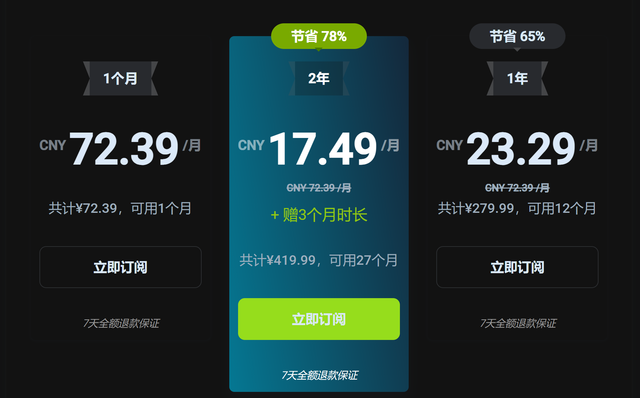
 NordVPN | Turn on manually Obfuscated Servers / NordWhisper | $3.49/mo | 27 months: $94.23 | No | 30 days | ? | ✗ | ✓ | ✓ | ✗ Blocked | 4.2/5 (51,628 reviews) |
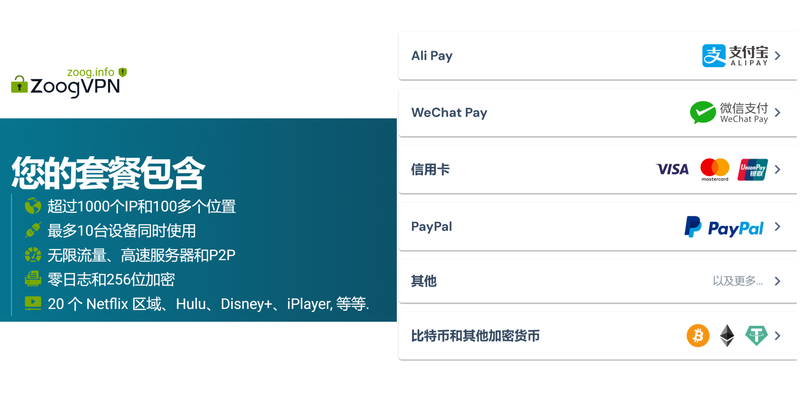
 ZoogVPN | Turn on manually Shadow | $2.49/mo | 27 months: $59.99 | Yes | 7 days | ✓ | ✓ | ✓ | ✓ | ✓ Yes (2.5 s) | 4.2/5 (195 reviews) |
 ExpressVPN | ✓ On by default all servers | $3.00/mo | 28 months: $84 | No | 30 days | ✗ | ✗ | ✓ | ✗ | ✗ Blocked | 4.4/5 (29,706 reviews) |
 Surfshark | ✓ On by default Camouflage, with OpenVPN | See site | See site | No | 30 days | ✗ | ✗ | ✗ | ✓ | ✗ Blocked | 4.3/5 (31,823 reviews) |
 Proton VPN | Turn on manually Stealth, free plan too | $2.99/mo | 12 months: $35.88 | Yes | 30 days | ✗ | ✗ | ✗ | ✓ | ✓ Yes (2.5 s) | 2.1/5 (1,040 reviews) |
 Astrill VPN | Turn on manually StealthVPN / OpenWeb | $12.50/mo | 24 months: $300 | No | See site | ✗ | ✗ | ✗ | ✓ | ✗ Blocked | 1.3/5 (110 reviews) |
 Private Internet Access | Turn on manually Shadowsocks, OpenVPN only | $2.03/mo | 40 months: $81.2 | No | 30 days | ✗ | ✗ | ✗ | ✗ | ✗ Blocked | 4.2/5 (11,033 reviews) |
 CyberGhost | Turn on manually selected servers | $2.19/mo | 28 months: $61.32 | No | 45 days | ✗ | ✗ | ✗ | ✓ | ✗ Blocked | 4.0/5 (24,178 reviews) |
 PureVPN | Turn on manually switch to OpenVPN | $1.69/mo | 60 months: $101.55 | No | 31 days | ? | ✗ | ✗ | ✓ | ✓ Yes (2.6 s) | 4.4/5 (17,994 reviews) |
 AdGuard VPN | ✓ On by default TrustTunnel | $2.99/mo | 24 months: $71.76 | Yes | 30 days | ✓ | ✗ | ✓ | ✓ | Official site blocked; our special link opens (2.3 s) | 4.3/5 (290 reviews) |
 Mullvad | Turn on manually QUIC / Shadowsocks / LWO | $5.61/mo | €5/mo | No | 14 days | ✗ | ✗ | ✗ | ✓ | ✗ Blocked | 3.2/5 (192 reviews) |
 Windscribe | Turn on manually Stealth / WStunnel | $5.75/mo | 12 months: $69 | Yes | See site | ✗ | ✗ | ✗ | ✓ | ✗ Blocked | 4.7/5 (13,355 reviews) |
 StrongVPN | Turn on manually Scramble, OpenVPN TCP | See site | See site | No | 30 days | ✓ | ✗ | ✗ | ✗ | ✗ Blocked | 4.4/5 (2,695 reviews) |
 LightXtreme 闪连 | Not listed | $7.08/mo | 12 months: $84.99 | Yes | 30 days | ✓ | ✓ | ✓ | ✓ | ✓ Yes (2.3 s) | No page |
Prices checked 2026-11-10 on each vendor's pricing page (cheapest long plan, USD). Check the vendor's checkout for the final price.
Obfuscation checked 2026-11-14 on each vendor's site and help center: "on by default" = nothing to set; "turn on manually" = switch protocol or mode in settings; "not listed" = the vendor describes no obfuscation.
Payment methods checked 2026-11-10 on each vendor's payment pages: all 14 take cards and PayPal; ✗ = not listed, ? = the vendor's own pages disagree.
China access: whether the official website opens from mainland China networks (tests the website only, not the VPN connection). Last checked 2026-11-11 04:07 Beijing time.
Trustpilot score and review count checked 2026-11-10.
Frequently Asked Questions
What makes an open-source VPN project trustworthy?
Trustworthy projects typically have active maintainers, clear security policies, documented audits or fuzzing results, transparent data practices, and a robust test suite. Look for a well-maintained README, explicit threat models, and a public roadmap.
How do I know if a GitHub VPN project has been audited?
Check the repository for SECURITY.md or a dedicated audits section. Look for third-party audit reports, dates, and the scope of their findings. If none exist, weigh that risk in your decision.
Are all open-source VPNs secure by default?
No. Security depends on cryptography choices, configuration, and how updates are applied. Always verify defaults, review code paths, and test in a controlled environment. Nordvpn Browser Extension for Microsoft Edge: A Comprehensive Guide for 2026
Can I trust a VPN project hosted on GitHub without a license?
No. Licenses govern usage, distribution, and contributions. Always confirm an appropriate license is in place before using or integrating the project.
What should I do if I find a vulnerability in a GitHub VPN project?
Use the project’s vulnerability disclosure process, preferably via a SECURITY.md file or an official contact. Do not disclose details publicly until the maintainers have a chance to respond and fix.
How important is threat modeling for VPN projects?
Very important. Threat modeling helps you understand potential attack vectors and ensure the project’s design addresses real-world privacy risks.
Should I run a VPN on every device?
Depends on usage. For sensitive work, running a VPN on all devices that access corporate networks or personal accounts is prudent. For casual browsing, a targeted approach may be sufficient.
What is a kill-switch, and why do I need one?
A kill-switch stops all traffic if the VPN disconnects, preventing IP leakage. It’s a critical feature for preserving privacy in case of connection drops. Setting up an L2TP VPN Client on Android A Step by Step Guide: Quick Setup, Best Practices, and Tips
How often should I audit a GitHub VPN project?
Periodically and after major updates. If the project is active, expect new security disclosures and feature changes, so re-audit when significant changes occur.
How can I contribute to improving an open-source VPN project?
You can help by reporting issues, contributing code after reviewing the contribution guidelines, writing or updating documentation, and participating in security discussions and audits.
Note: This content is designed for educational purposes on healthsolved.net. For more in-depth exploration and to access a range of VPN options, consider the links above and stay engaged with the community and security best practices.
Sources:
Globalconnect vpn wont connect heres how to fix it fast and more tips for VPNs in Canada
2026年如何在中國大陸順暢翻牆:VPN推薦與實用指南,完整實戰要點與工具評測 Norton secure vpn on firestick your complete download setup guide
Best vpns for restricted countries access the internet freely
麗寶樂園門票優惠2025|全攻略!這樣買最划算,讓你省錢玩整天
Cisco vpnの導入費用とライセンス体系:anyconnectとmerakiの料金を 最速ガイド