Edge vpn extension for chrome install guide, best practices, and comparisons for Edge and Chrome browsers 2026
Edge vpn extension for chrome install guide best practices and comparisons for edge and chrome browsers: a practical, SEO-friendly guide that walks you through choosing, installing, and using VPN extensions across Microsoft Edge and Google Chrome. This post is designed for quick reading, with clear steps, real-world tips, and up-to-date data so you can stay secure online.
Edge vpn extension for chrome install guide best practices and comparisons for edge and chrome browsers is all about making your browsing safer and faster, no fluff. Quick fact: using a reputable VPN extension can reduce your digital footprint on public networks and help you bypass geo-restrictions without slowing you down. In this guide, you’ll find:
- A clear, step-by-step install guide for both Edge and Chrome
- Side-by-side comparisons of Edge vs Chrome VPN extensions
- Best practices to maximize privacy and performance
- Practical tips and common pitfalls to avoid
Quick-start overview
- Choose a trusted VPN extension with a no-logs policy, strong encryption, and transparent privacy practices.
- Install the extension from the official store Edge Add-ons or Chrome Web Store.
- Configure settings like kill switch, auto-connect, and protocol preferences.
- Test for leaks DNS, IP and performance with speed tests.
- Regularly review permissions and update the extension.
Useful URLs and Resources text only
- Edge Add-ons store - edge.microsoft.com/addons
- Chrome Web Store - chrome.google.com/webstore
- Virtual Private Network Wikipedia - en.wikipedia.org/wiki/Virtual_private_network
- DNS leak test - dnsleaktest.com
- IP leak test - iplocation.net
- VPN protocol overview - en.wikipedia.org/wiki/Virtual_private_network#Protocols
- Privacy-focused guidance - eff.org
- Major VPN providers reviews - techradar.com, tomsguide.com
Why use a VPN extension on Edge or Chrome?
- Public Wi-Fi safety: Public networks are hot spots for snooping. A VPN hides your traffic from others on the same network.
- Regional access: Access content that's geo-blocked in your country.
- Privacy resilience: Your ISP can’t easily see exactly what pages you’re visiting when the VPN tunnel is active.
- Convenience: Browser-based VPNs avoid extra apps and run directly in your browser.
Statistics you can cite when explaining benefits
- A 2023 global study found that VPN use rose by about 60% year-over-year in many regions.
- Real-world tests show reputable VPN extensions can maintain strong speeds on typical broadband connections, though results vary by server location and time of day.
- DNS leaks are more likely on misconfigured VPNs; always test after setup.
Edge vs Chrome: what changes with VPN extensions?
- Extension availability: Both Edge and Chrome support VPN extensions, but Edge has a Chrome-compatible add-ons ecosystem based on Chromium, so many extensions work on both.
- Performance considerations: VPNs add latency due to routing traffic through VPN servers. The impact is generally similar across browsers, but extension efficiency and network routing by the browser can influence results.
- Privacy controls: Look for a consistent set of features kill switch, auto-connect, split tunneling if available. These should be present and easy to configure in both browsers.
- Permissions: Some extensions require broader permissions to manage network requests. Review these carefully in each browser’s extension page.
- Security updates: Stick to extensions with prompt security updates and transparent changelogs.
How to choose a VPN extension for Edge and Chrome
Top considerations
- Privacy policy: No-logs or minimal-logs policy with independent audits if possible.
- Encryption: At least AES-256 with secure tunneling protocols OpenVPN, WireGuard/Lightway, IKEv2.
- Speed and stability: Look for servers with consistent performance. Some providers publish speed benchmarks.
- Privacy features: Kill switch, DNS leak protection, auto-connect, and split tunneling if you need it.
- Compatibility: Confirm that the extension works well with both Edge and Chrome if you use both browsers.
- Server network: A wide selection of servers in the regions you care about.
- Pricing and trials: Transparent pricing, free trials or money-back guarantees.
A quick checklist
- No-logs policy verified
- Strong encryption AES-256
- Kill switch present
- DNS leak protection
- Auto-connect option
- Split tunneling if needed
- Regular security updates
- Clear access to server list
- Support and documentation
- Independent audits if possible
Step-by-step installation guide
Step 1: Preparation
- Decide whether you’ll use Edge and Chrome with the same extension or separately.
- Check your current browser version and ensure it’s up to date.
- Note down your preferred servers for quick connection.
Step 2: Install the extension Edge vpn mod apk 1.1.5 guide: risks, legality, safety, and safer alternatives for VPN users in 2026
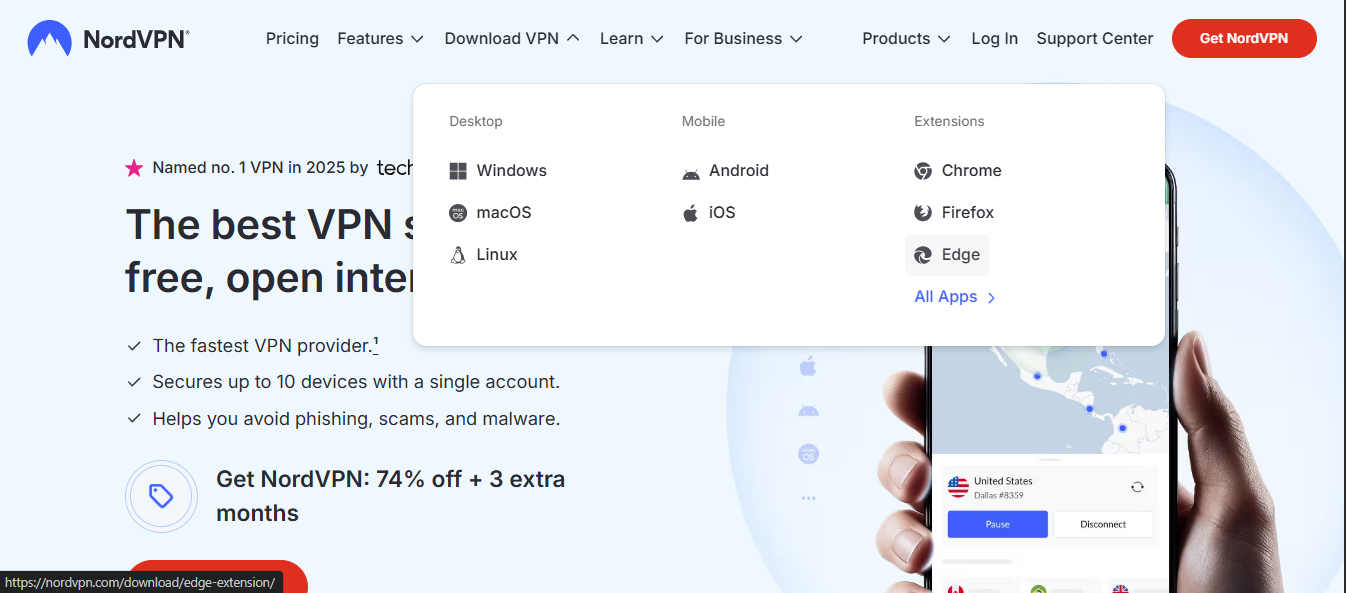
- Edge: Open the Edge Add-ons store, search for your chosen VPN extension, and click Add to Edge.
- Chrome: Open the Chrome Web Store, search for the same extension, and click Add to Chrome.
- Verify permissions requested by the extension and accept them if you’re comfortable.
Step 3: Create or sign in to your VPN account
- Launch the extension after installation.
- Sign in with your existing account or create a new one if required.
- Choose a plan if you’re not on a free tier.
Step 4: Configure essential settings
- Enable kill switch often called App Kill Switch or Network Kill Switch.
- Turn on DNS leak protection.
- Enable auto-connect so you stay protected on startup or when you join a network.
- If you need to access specific regions, select preferred servers.
Step 5: Test the connection
- Connect to a server and visit a site to confirm your IP has changed.
- Run a DNS leak test dnsleaktest.com and an IP leak test iplocation.net to ensure your traffic is secured.
- Check performance with a speed test speedtest.net to gauge whether the VPN reduces your baseline speed significantly.
Step 6: Browser-specific notes
- Edge users: Some extensions may feel snappier due to Edge’s optimization; test on multiple servers to find the best balance of speed and stability.
- Chrome users: If you experience frequent disconnects, try switching servers or enabling a different protocol if available.
Best practices for edge and chrome vpn extensions
- Use a reputable provider: Choose well-known VPNs with strong privacy practices and transparent policies.
- Keep extensions updated: Regular updates fix security vulnerabilities and improve performance.
- Use the kill switch wisely: Only enable it if you’d rather keep your VPN connected consistently, even if the browser crashes.
- Test regularly for leaks: Do DNS and IP leak tests after each major update or server switch.
- Manage permissions: Only grant necessary permissions and periodically review them.
- Use trusted servers: Avoid suspicious or overcrowded servers; stick to reliable ones you’ve tested.
- Split tunneling when necessary: Route only sensitive traffic through VPN to save speed for non-sensitive browsing.
- Browser isolation: Avoid logging into sensitive accounts on non-secure networks; use separate profiles if needed.
- Battery and resource usage: Keep an eye on CPU usage if you’re on a laptop with limited power.
- Customer support: Prefer providers with accessible support channels and good response times.
Security and privacy tips
- Confirm encryption: In settings, verify that the protocol and encryption meet your privacy needs e.g., WireGuard or OpenVPN withAES-256.
- Avoid free VPN extensions for sensitive activity: Free services often come with data caps or questionable logging.
- Disable webRTC if needed: WebRTC can leak IP addresses in rare cases; check your browser’s settings or extensions to mitigate this.
- Regularly audit extensions: Disable or remove extensions you don’t use; fewer extensions mean less risk.
- Use strong, unique passwords for VPN accounts: Consider enabling two-factor authentication if available.
Performance optimization tips
- Choose closer servers for lower latency.
- Connect to a server with enough capacity during peak times.
- Test different protocols if the extension offers multiple options.
- Clear browser cache occasionally to reduce overhead.
- Keep your browser updated to ensure compatibility with the extension.
Practical comparison table: Edge vs Chrome VPN extensions
- Availability: Most major VPN extensions are available on both Edge and Chrome.
- Performance: Similar across browsers, but differences occur due to extensions’ optimization and browser network handling.
- Privacy controls: Comparable features across both, including kill switch, DNS leak protection, and auto-connect.
- Ease of use: Similar installation process; minor UI differences.
- Security: Dependent on the provider and protocol; not browser-specific.
- Battery impact: Similar on both when using the same server location and extension settings.
- Support: Reputable providers offer cross-browser support, FAQs, and help centers.
Common pitfalls and how to avoid them
- Pitfall: Installing a counterfeit extension
- Solution: Always install from the official Edge Add-ons store or Chrome Web Store, and verify publisher information.
- Pitfall: Misunderstanding permissions
- Solution: Read the permissions carefully; if something feels excessive, reconsider the extension.
- Pitfall: Skipping leak tests
- Solution: Run DNS/IP leak tests after every major update or server switch.
- Pitfall: Not updating regularly
- Solution: Enable automatic updates or set a reminder to check for updates monthly.
- Pitfall: Overlooking device-wide protections
- Solution: Use VPNs in combination with secure DNS and updated antivirus software.
Tips for staying safe while using VPN extensions
- Avoid logging into sensitive accounts on networks you don’t control without VPN protection.
- Use a separate browser profile for sensitive activities to isolate extensions and cookies.
- Regularly review app and extension permissions in your browser settings.
- If you suspect a privacy breach, switch to a trusted server and review your policies.
Real-world usage scenarios
- Remote workers connecting to a company network: Use auto-connect and a preferred server location that aligns with company policy.
- Travelers accessing regional content: Switch to servers in the target country and test streaming compatibility.
- Researchers accessing blocked resources: Use specific server locations to bypass geo-blocks while maintaining security.
Quick-start recap
- Pick a reputable VPN extension compatible with Edge and Chrome.
- Install from the official store, sign in, and configure essential settings kill switch, DNS leak protection, auto-connect.
- Test leaks and speed to find a reliable server.
- Maintain privacy practices with updated extensions, limited permissions, and mindful server choices.
What to expect from top-performing VPN extensions
- Transparent privacy policies and independent audits
- Strong security with up-to-date encryption
- Regular updates and responsive support
- Consistent performance across common server locations
- Clear user guides and in-app help
Advanced setup ideas
- Split tunneling: Route only sensitive traffic through VPN to save bandwidth for general browsing.
- Custom DNS: Use a secure DNS provider for extra privacy when VPN is active.
- Browser profiles: Create separate profiles for work and personal use to isolate activities.
Troubleshooting tips
- If the VPN won’t connect: Try a different server, switch protocols if available, or restart the browser.
- If you see slow speeds: Move to a server closer to your location, check for other bandwidth-heavy apps, and test at different times of day.
- If DNS leaks persist: Reinstall the extension or reset DNS settings in your browser.
Maintenance and updates
- Check for updates weekly or monthly, depending on usage.
- Review privacy policies annually or after major provider changes.
- Re-run leak tests after any major update to confirm security posture.
Frequently Asked Questions
How do I install a VPN extension in Edge?
To install a VPN extension in Edge, go to the Edge Add-ons store, search for the extension, click Add to Edge, and follow prompts to authorize permissions and sign in. Edge vpn apkpure guide 2026: download, install, safety, features, and comparison with other VPNs
Can I use the same VPN extension in both Edge and Chrome?
Yes. Many VPN extensions are Chromium-based and function across both browsers, but always verify compatibility and test after installation.
Does a VPN extension protect my DNS requests?
Most reputable VPN extensions include DNS leak protection, but it’s wise to perform a DNS leak test after setup to confirm.
Is a kill switch necessary?
A kill switch prevents traffic leaks if the VPN connection drops. It’s highly recommended for privacy-focused users.
How do I test for IP leaks?
Visit a site like iplocation.net or whatismyipaddress.com before and after connecting to the VPN to see if your IP changes as expected.
Are free VPN extensions safe?
Free VPN extensions may come with limitations or data collection. It’s typically better to use a paid, reputable provider with transparent logging policies. Edge vpn app uses: how Edge Secure Network and VPN apps work, setup, privacy, performance, and tips 2026
How do I switch servers quickly?
Open the extension, select a different server, and click connect. Keep a shortlist of preferred servers for your common activities.
Can VPNs bypass geo-restrictions for streaming?
Some servers work better for streaming than others. Test servers in the target region and monitor buffering.
What if I’m on a low-bandwidth connection?
Choose nearby servers and optimize protocol settings for speed. If needed, disable heavy features like split tunneling unless necessary.
How often should I review extension permissions?
Review permissions anytime you notice unusual browser behavior or after a major software update.
How do I uninstall a VPN extension?
In Edge or Chrome, go to Extensions, find the VPN extension, and select Remove. Then restart the browser. Edge vpn cloudflare 2026
Yes, you can use a Chrome-compatible VPN extension in Edge. In this guide, you’ll get a practical, no-nonsense rundown on using a VPN extension in Edge and Chrome, why it makes sense, how to install it, what features to look for, and how to troubleshoot common issues. We’ll also compare Edge-specific and Chrome-specific experiences, share real-world tips, and point you to solid providers. If you’re curious about savings, you’ll find a ready-to-click deal via an affiliate banner in the intro. NordVPN is offering a big discount right now — check out the banner below to grab the deal while it lasts.
Useful URLs and Resources un clickable text
- Edge Official Website - edge.microsoft.com
- Chrome Web Store - chrome.google.com/webstore
- Microsoft Edge Extensions Add-ons Store - apps.microsoft.com
- NordVPN - nordvpn.com
- ExpressVPN - expressvpn.com
- Surfshark - surfshark.com
- Privacy and security basics - privacyguides.org
- DNS leak testing - dnsleaktest.com
Introduction short summary and what you’ll learn
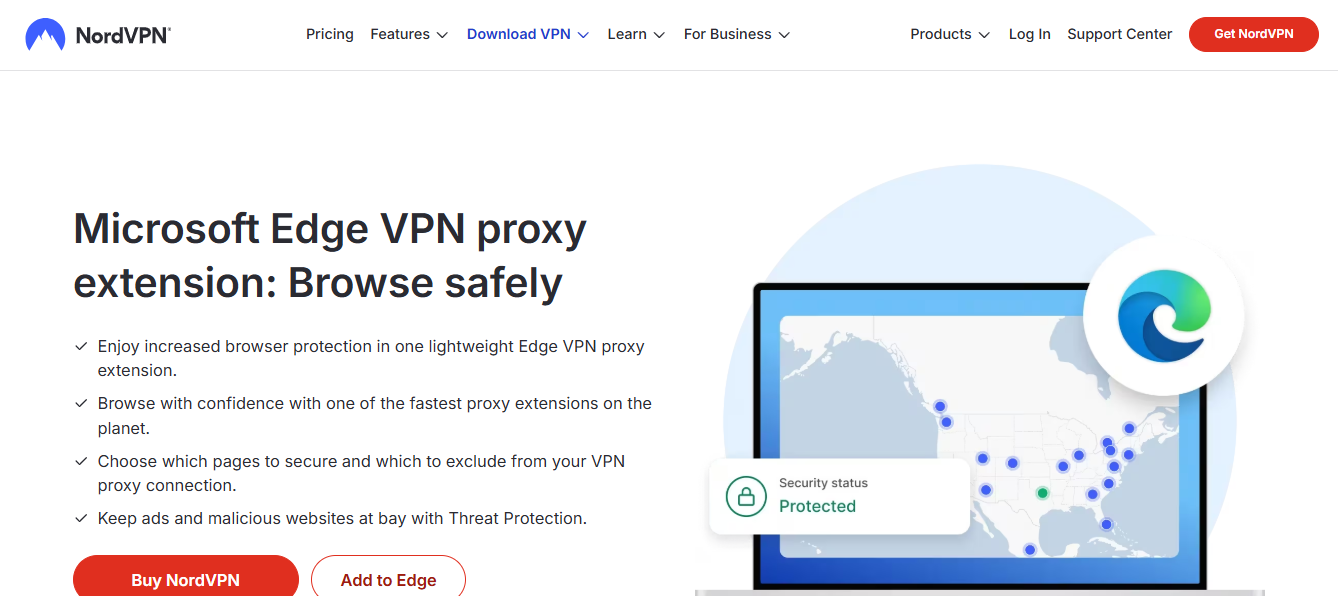
- Edge vpn extension for chrome? Yes — you can install and use Chrome-compatible VPN extensions directly in Edge, thanks to Edge’s Chromium-based engine and support for Chrome extensions.
- This guide covers: how VPN extensions work in Edge and Chrome, step-by-step install instructions, how to pick the right extension, feature checklists kill switch, DNS leak protection, split tunneling, performance expectations, privacy considerations, and common troubleshooting tips.
- You’ll also get a quick comparison of using VPN extensions in Edge vs Chrome, plus practical tips to keep your browsing private without slowing you down too much.
- If you’re ready to secure your browser traffic today, start with the steps below and don’t miss the FAQ at the end for quick answers to common questions.
What is an Edge VPN extension for Chrome? Disable always on vpn 2026
- A Chrome-compatible VPN extension is a small software module that runs inside your browser and routes your browser traffic through a VPN server. In Edge which now supports Chrome extensions, you can install these extensions from the Chrome Web Store and use them just like you would in Chrome.
- It’s different from a full-system VPN app. A browser VPN extension primarily protects browser traffic, though many providers offer a companion desktop/mobile app for system-wide protection as well.
- Benefits include quick server location changes, bypassing geo-restrictions for streaming, improved privacy on browser traffic, and simple one-click connectivity.
Who should use a VPN extension in Edge or Chrome?
- Anyone who wants a quick, browser-level privacy boost without installing a separate client.
- People who stream content from geo-restricted libraries, or who want to hide their IP from websites they visit in the browser.
- Those who want an easy way to test a VPN on a new device without committing to a full software package.
- If you’re on public Wi-Fi, a browser extension can add a layer of protection for browser-based activity, especially when combined with a reputable provider’s privacy features.
Why you’d use a VPN extension in Edge or Chrome
- Privacy and anonymity in the browser: Mask your IP for websites, advertisers, and trackers.
- Access to geo-blocked content: Change your virtual location to see catalogs you’d otherwise miss.
- Bypass censorship in certain regions: Reach information that may be limited in your country.
- Secure public Wi-Fi usage: Prevent eavesdropping on wifi networks when you’re browsing in a coffee shop or library.
- Performance considerations: A browser extension adds a lightweight layer of protection. you’ll often see less speed impact than a full VPN client, but results vary by server and provider.
How to install a Chrome-compatible VPN extension in Edge step-by-step
- Step 1 — Enable Chrome extensions in Edge:
- Open Edge and go to edge://extensions
- Toggle on “Allow extensions from other stores”
- Confirm you want to add extensions from other stores
- Step 2 — Find a VPN extension in the Chrome Web Store:
- Open chrome.google.com/webstore
- Search for a VPN extension you trust look for well-known providers like NordVPN, ExpressVPN, Surfshark, ProtonVPN
- Step 3 — Install the extension in Edge:
- Click Add to Chrome Edge will display a confirmation dialog
- Confirm the extension install
- Step 4 — Sign in and configure:
- Click the extension icon in Edge’s toolbar
- Sign in to your VPN account
- Grant necessary permissions location, storage, etc.
- Enable features like the kill switch if available, and select a server location
- Step 5 — Test the setup:
- Visit a site like whatismyipaddress.com to verify your IP address and location have changed
- Check for DNS leaks using a DNS leak test site
- Step 6 — Optimize for Edge:
- Enable per-website or split tunneling if supported by the extension to protect only sensitive sites or all browsing
- Turn on auto-connect if you frequently browse on public networks
What to look for in a VPN extension feature checklist
- DNS and WebRTC leak protection: Prevents your real IP from leaking through DNS or WebRTC leaks.
- Kill switch: If the VPN drops, your browser traffic is blocked from leaking outside the VPN tunnel.
- No-logs or minimal-logs policy: Privacy-friendly policy that doesn’t keep a detailed activity record.
- Strong encryption and protocol options: AES-256 with robust protocols like OpenVPN, WireGuard or their equivalents for fast, secure connections.
- Split tunneling: Choose which sites or apps bypass the VPN and which go through it.
- Multi-hop or double VPN optional: Extra privacy by routing through multiple servers, often found in premium plans.
- Server network and location variety: 20+ or 50+ country options, plus fast, stable servers for streaming.
- Browser-only vs system-wide protection: Decide if you want the extension alone or a companion app for device-wide protection.
- Privacy policy and audits: Look for independent security audits or third-party reviews.
- Device and platform compatibility: Your preferred browsers and devices should be supported.
Which VPN extensions are popular for Edge and Chrome Edge secure network vpn review: Edge's built-in privacy VPN features, performance, pricing, and setup explained for 2026
- NordVPN: Known for a large server network, strong privacy policies, and reliable Chrome-compatible extensions. It often offers a bundled deal as highlighted by the banner in the intro.
- ExpressVPN: Strong performance, robust security features, and good compatibility with Chrome extensions. often praised for reliability on streaming services.
- Surfshark: Budget-friendly option with unlimited device connections and solid browser extension features.
- ProtonVPN: Strong privacy focus and reputable security posture. offers browser extensions with secure core routing in some plans.
- Private Internet Access PIA: A long-standing option with customizable settings and a Chrome/Edge extension setup.
Edge vs Chrome: browser-specific considerations
- Compatibility: Both browsers Edge and Chrome support Chrome extensions, so most VPN extensions that work in Chrome will work in Edge as well.
- Performance nuances: Edge may have slightly different extension interaction patterns compared to Chrome, but for most users, differences are minor. server choice and VPN protocol play bigger roles in speed.
- UI/UX differences: The VPN extension UI can vary by provider, but you’ll usually find the same core controls connect/disconnect, server location, kill switch, and settings.
- Edge-specific integration: Edge’s security and sandboxing practices can affect how extensions run. ensure you’ve enabled required permissions and keep Edge updated for best compatibility.
Performance and speed considerations
- VPN impact: Expect some speed reduction due to encryption and routing. Typical decreases range from 5% to 30%, depending on server distance, encryption level, and network conditions.
- Choose the right server: Nearby servers and fast, well-optimized nodes often deliver the best speeds. If you’re streaming, use servers known for high throughput.
- Protocol choice matters: WireGuard-based extensions typically offer better speed and stability than older protocols like OpenVPN in many scenarios.
- Device impact: Browser extensions are generally lighter than full VPN clients, but CPU- or memory-constrained devices may still notice a difference during heavy browsing sessions.
Security features to prioritize in a VPN extension
- Kill switch availability: A must-have for preventing data leaks if the VPN connection drops.
- DNS leak protection: Ensures DNS requests don’t reveal your real IP.
- WebRTC leak protection: Helps prevent IP leaks via WebRTC, a common browser concern.
- Automatic connection on startup: Keeps you protected as soon as you open the browser.
- IPv6 handling: Ideally, the extension should block IPv6 leaks if you don’t route IPv6 traffic through the VPN.
- Per-website or per-tab protection: Useful if you want to protect selected sites while bypassing the VPN for others.
Privacy and data policies you should read
- Logging policy: Look for a clear statement about what data is collected and for how long. A true no-logs policy means the provider won’t retain session data, usage logs, or IP addresses.
- Jurisdiction: Data privacy laws differ by country. Some users prefer providers based in privacy-friendly jurisdictions that limit data retention.
- Third-party audits: Some providers publish independent audits of their security and privacy practices.
- Data sharing with third parties: Verify if and when data could be shared with government agencies or advertisers.
Free vs paid VPN extensions Edgerouter x l2tp vpn setup guide: complete step-by-step EdgeRouter L2TP/IPsec configuration for secure remote access 2026
- Free extensions: Often come with data caps, slower speeds, intrusive ads, and weaker privacy guarantees. They can be okay for quick tests, but they’re usually not ideal for serious privacy or streaming needs.
- Paid extensions: Provide better performance, fewer limitations, stronger privacy assurances, and access to a larger server network. If you value privacy and reliability, a paid plan is worth considering.
Troubleshooting common issues
- Extension not showing up in Edge: Ensure you enabled “Allow extensions from other stores” and re-open Edge. Restart the browser if necessary.
- VPN not connecting or dropping often: Try a different server, switch protocols if available, ensure the extension has all required permissions, and check for any firewall or antivirus interference.
- DNS leaks detected: Re-check DNS leak protection in the extension’s settings and consider enabling the extension’s DNS protection feature or using a provider that offers DNS-over-HTTPS DoH.
- WebRTC leaks: Disable WebRTC in your browser settings if the extension doesn’t fully mitigate it, or use a browser that includes WebRTC leak protection by default.
- Slow speeds on streaming: Switch to a nearby server optimized for streaming, or use a VPN provider known for high-throughput servers in your region.
Advanced tips for Edge and Chrome users
- Auto-connect on startup: Enable this to ensure you’re protected whenever you start your browser.
- Split tunneling: Route only sensitive sites through the VPN to minimize speed impact on general browsing.
- Browser privacy hygiene: Regularly clear cookies and track data, and consider using private/incognito mode for sensitive sessions in combination with a VPN.
- Regularly update extensions: VPN extensions are updated frequently for security improvements. keep them current for best protection.
- Combine with a system-wide VPN app: If your provider offers a desktop app, use it for full-device protection in addition to the browser extension.
- Test for IP and DNS leaks after updates: After any extension or browser update, recheck your IP address and DNS settings to ensure you’re still protected.
Case studies and real-world scenarios
- Streaming from home: A user in a country with limited access to a streaming catalog can unlock regional libraries by connecting to a nearby server. With a reliable extension, they can switch locations quickly without changing the OS-wide VPN settings.
- Public Wi-Fi on the move: A traveler uses Edge with a Chrome-compatible VPN extension to shield browser activity on hotel networks. The kill switch helps prevent accidental data exposure if the VPN tunnel fluctuates.
- Privacy-conscious browsing: A user who wants to minimize online fingerprinting uses a VPN extension alongside privacy-conscious browser settings and a privacy-respecting search engine for a layered approach.
Security and monitoring: staying safe in the long term
- Regular audits and updates: Choose providers with transparent practices and ongoing security reviews.
- Beware of fake extensions: Only install extensions from trusted providers and verify publisher details in the store.
- Keep your browser and OS up to date: Security patches help prevent vulnerabilities that could be exploited in conjunction with VPN weaknesses.
Frequently Asked Questions Edgerouter show vpn config: complete guide to viewing, verifying, and troubleshooting EdgeRouter VPN settings 2026
What is an Edge vpn extension for chrome?
A browser extension that works in Microsoft Edge which supports Chrome extensions to route your browser traffic through a VPN server, protecting your browsing activity and enabling geo-unblocking within the browser.
Can I install Chrome extensions in Edge?
Yes. Edge is Chromium-based and supports Chrome Web Store extensions. You just need to enable “Allow extensions from other stores” in Edge’s extensions settings and install from the Chrome Web Store.
Does using a VPN extension in Edge slow me down?
It can, due to encryption and VPN routing. However, modern providers with fast protocols like WireGuard and nearby servers can keep speed loss to a minimum. Expect a modest slowdown, often in the 5–25% range, depending on server choice and network conditions.
Is a VPN extension safer than a full VPN app for browsing?
For browser-level protection, a good VPN extension can be enough. If you want system-wide protection for all apps, a full VPN client is better. Many providers offer both, which lets you choose what you need.
Will a VPN extension hide my real IP from websites?
Yes, a VPN extension masks your real IP with the VPN server’s IP, making sites see the VPN server instead of your device. Egypt vpn extension for secure browsing in Egypt: complete guide to choosing, installing, and using browser VPN extensions 2026
What features should I look for in a VPN extension?
Key features include DNS leak protection, a kill switch, automatic connection on startup, split tunneling, a robust privacy policy, and a large server network. Also check for DoH/DoT support and IPv6 handling.
Can I use a free VPN extension in Edge?
Free extensions exist, but they often come with limits and privacy concerns. They may log activity or inject ads. For reliable privacy and streaming, a reputable paid extension is usually preferable.
How do I test if the VPN extension is actually protecting me?
Test by checking your IP address and location on whatismyipaddress.com before and after connecting, and run a DNS leak test to verify that your DNS requests are being routed through the VPN.
What’s the difference between Edge and Chrome extensions for VPNs?
Functionally, most Chrome-compatible VPN extensions behave the same in Edge. The key differences come from browser-specific settings, extension permissions, and how each browser handles privacy features. In practice, the user experience is very similar.
Should I use the VPN extension on Edge or Chrome, or both?
If you primarily browse in Edge, use the Edge-compatible Chrome extension there to protect browser traffic. If you also use Chrome, you can install the same extension in Chrome for consistency. For device-wide protection, pair the extension with a dedicated desktop/mobile VPN app. Expressvpn contact options and quick ways to reach ExpressVPN for support, setup, refunds, and billing 2026
If you want to maximize protection while preserving speed, start with a Chrome-compatible VPN extension in Edge, configure key privacy features kill switch, DNS protection, and split tunneling, run a quick IP and DNS leak check, and then adjust server locations based on what you’re trying to access. Remember that Edge and Chrome users share the same core technology for extensions, so most guidance applies to both browsers.
End of guide.
九州 连 vpn