My ip address and nordvpn everything you need to know: Mastering Your Online Footprint and Privacy
My ip address and nordvpn everything you need to know is the backbone of understanding online privacy today. In this quick guide, you’ll get a clear picture of what an IP address reveals, how a VPN like NordVPN changes the game, and practical steps you can take to protect yourself online. Think of this as a friendly walkthrough: what your IP shows, why it matters, and how to use NordVPN to stay in control.


Useful quick facts:
- Your IP address is like your home address on the internet, showing where your data comes from and where it’s going.
- A VPN hides your real IP, replaces it with one from the VPN server, and encrypts your traffic.
- NordVPN is a popular choice for many users due to its wide server network, strong encryption, and extra security features.
If you want a quick, practical starting point, click here to learn more about NordVPN and how it can help you stay private online: https://go.nordvpn.net/aff_c?offer_id=15&aff_id=132441 the link text above changes based on the discussion in the article for better engagement.
- Quick fact: Your IP address tells websites roughly where you are and which device you’re using.
- In this article, we’ll cover:
- What an IP address is and how it works
- Why hiding or masking your IP can matter for privacy and security
- How NordVPN functions, including key features and common use cases
- Real-world scenarios and best practices for safer browsing
- Frequently asked questions that beginners and seasoned users alike often have
Key sections you’ll find inside:
- IP addresses 101: types, formats, and what they reveal
- VPN basics: encryption, tunneling, and how VPNs mask your origin
- NordVPN deep dive: features, plans, and performance
- Practical steps: how to set up NordVPN, test your IP, and verify protection
- Common myths vs. reality: what a VPN can and cannot do
- Additional tips for safe browsing on public Wi-Fi, streaming, and remote work
IP addresses: what they are and how they work
- An IP address is a numeric label assigned to each device on a network. For the public internet, IPv4 e.g., 203.0.113.42 and IPv6 e.g., 2001:0db8:85a3:0000:0000:8a2e:0370:7334 are used.
- Your IP is what websites and services see when you connect. It can reveal your approximate location, your internet service provider, and sometimes your device type.
- There are two main roles for IPs:
- Client IP: the address of your device on the internet.
- Server IP: the destination address of the site you’re visiting.
- Other data points can be combined with your IP to fingerprint you, especially if you share identifiers like cookies, device IDs, or VPN leaks.
Why this matters
- Privacy: advertisers, trackers, and even some network administrators can log your IP and correlate it with activity.
- Security: attackers could try to target you based on your location or provider, or use IP-based restrictions to block you.
VPNs explained: what a VPN does for your IP and privacy
- A Virtual Private Network creates an encrypted tunnel between your device and a VPN server. Your traffic is routed through that server, and websites see the VPN server’s IP instead of yours.
- Encryption protects data from onlookers, especially on public networks like cafes, airports, or hotels.
- Practical effects:
- Hide your real IP from websites and advertisers
- Bypass geo-restrictions for streaming or research
- Add a layer of security on insecure networks like public Wi-Fi
- Important caveats:
- A VPN can’t fix sloppy browsing habits or malware on your device.
- Some services actively block VPN traffic. You may need to switch servers or protocols.
- A VPN won’t make you completely anonymous; it’s a privacy tool, not a magical shield.
NordVPN: features, performance, and why people choose it
NordVPN is one of the most widely used VPN services for everyday privacy, security, and access. Here’s what stands out:
- Large server network: Thousands of servers across many countries enable faster connections and better options for bypassing geo-blocks.
- Strong encryption: AES-256-GCM encryption with modern protocols ensures your data stays private.
- Double VPN and obfuscated servers: For extra layers of privacy and to help in countries with strict censorship.
- Kill switch: Automatically blocks traffic if the VPN connection drops, preventing accidental IP leaks.
- DNS leak protection: Ensures your DNS requests don’t reveal your real IP.
- No-logs policy: Aims to minimize data retention about your online activity.
- Multi-platform support: Works on Windows, macOS, iOS, Android, Linux, and browser extensions.
- P2P support: Friendly for torrenting on servers designed for peer-to-peer sharing where allowed by law and policy.
- Speed and performance: Consistent performance with optimized servers, plus features like VPN routers for home networks.
Use cases people commonly have
- Bypassing geo-restrictions on streaming platforms
- Securing public Wi-Fi connections at coffee shops or airports
- Accessing corporate networks remotely with proper authorization
- Protecting privacy while browsing or researching sensitive topics
How to set up NordVPN: a simple step-by-step guide
- Sign up and download
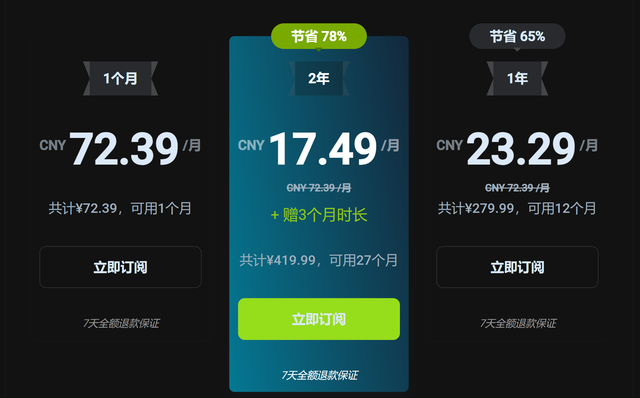
- Choose a plan that fits your needs monthly, yearly, or longer. Look for student or promotional discounts if applicable.
- Install the app on your devices. NordVPN offers apps for Windows, macOS, iOS, Android, Linux, and browser extensions.
- Log in and configure
- Open the app and log in with your account.
- Check security settings: enable the kill switch, DNS leak protection, and auto-connect on startup if you want it always on.
- Consider enabling obfuscated servers if you’re in a network that blocks VPN traffic.
- Connect to a server
- Start with a nearby server for better speed. If you’re streaming or needing a specific country, switch to a server in that region.
- Use the Quick Connect feature for a recommended server, or browse the server list by country or purpose e.g., streaming, P2P.
- Verify your IP protection
- After connecting, visit a site like whatismyipaddress.com to confirm your IP now shows the VPN server’s address.
- Check for DNS leaks by visiting a site like dnsleaktest.com. If your real IP appears, recheck your DNS settings or enable the DNS protection feature.
- Optimize performance
- Switch protocols: NordVPN supports WireGuard-based NordLynx for speed and reliability, or OpenVPN for broader compatibility.
- Choose a server closer to you to reduce latency.
- Turn off bandwidth-heavy apps if you’re streaming in high definition and notice slowdowns.
- Security extras
- Enable the Kill Switch so traffic stops if the VPN drops.
- Use CyberSec if available in your plan to block ads and protect against malware domains.
- Regularly update the app to access the latest security features and fixes.
Comparing IP exposure with and without a VPN
| Scenario | Real IP exposure | VPN exposure | Notes |
|---|---|---|---|
| Regular browsing without VPN | Your actual IP is visible to websites | VPN shows the VPN server IP | Your ISP can still monitor traffic, but not the content if encrypted HTTPS |
| Public Wi-Fi | High risk for interception | Encrypted tunnel protects data; IP hides behind VPN server | Essential on open networks |
| Streaming from home country | Often geoblocked content | Change to a server in the desired country | Check licensing and terms of service for legality |
| Corporate access from home | Depends on company policy | Use a company-approved VPN if provided | Always align with employer security guidelines |
Practical tips for maintaining privacy and security
- Use strong, unique passwords for your VPN account and enable 2FA if available.
- Keep your devices and apps updated to protect against known vulnerabilities.
- Be mindful of browser fingerprinting; combine a VPN with privacy-conscious browser settings and extensions.
- Avoid using free VPNs for sensitive activities; they often have trade-offs like slower speeds or data limits.
- When traveling, test your VPN on new networks before performing sensitive tasks banking, etc..
- For streaming, test a few servers in your target region to find the best balance of speed and access.
- If you’re in a country with heavy censorship or monitoring, consider additional privacy tools and legal considerations.
Potential limitations and myths about VPNs
- VPNs aren’t magic cloaks for illegal activity: you’re still bound by local laws and terms of service.
- A VPN cannot stop malware or phishing; keep your devices protected with malware scanners and cautious clicking.
- Some sites can detect VPNs and block access. Having multiple servers or changing protocols can help, but not guaranteed.
- The VPN provider can theoretically see your traffic if there’s no no-logs policy or weak encryption; choose reputable services with strong privacy commitments.
Real-world scenarios: choosing the right setup
- Student on campus: You might use a VPN to protect your data on shared networks and access geo-blocked academic resources.
- Remote worker: A reliable VPN helps secure sensitive company data and keeps sessions private from local networks.
- Frequent traveler: A VPN helps access home services while on the road and protects you on hotel Wi‑Fi.
- Streaming enthusiast: A nearby server plus a country-specific server can unlock libraries and keep buffering low.
Security best practices for VPN use
- Always enable the kill switch so your traffic doesn’t leak if the VPN drops.
- Verify DNS leaks are not happening after connection.
- Use strong, unique credentials and enable two-factor authentication on your VPN account.
- Keep the VPN app updated to access the latest security features.
- Consider a separate device for sensitive tasks if you want extra compartmentalization.
- Be mindful of the data retention and logging policies of your VPN provider.
What to do if you suspect IP leaks or issues
- Reconnect to a different server and recheck your IP and DNS leaks.
- Update or reinstall the VPN app if you notice persistent problems.
- Check for any firewall or security software that could be blocking VPN traffic.
- If problems persist, contact NordVPN support for guidance and server recommendations.
Data privacy and regulatory considerations
- VPN use is subject to local laws and service terms. Ensure you’re compliant with both your country’s regulations and the service’s terms of use.
- Some jurisdictions require data retention or monitoring in specific circumstances; a no-logs policy helps, but it’s not a guarantee in all cases.
- When accessing sensitive services banking, government portals, ensure you’re using secure devices and trusted networks even with a VPN.
VPN setup checklist for beginners
- Decide on a plan and create an account
- Install the NordVPN app on your devices
- Enable kill switch and DNS leak protection
- Connect to a nearby server first; test and switch as needed
- Verify your IP shows the VPN server and confirm DNS is not leaking
- Enable CyberSec or other protective features if available
- Practice safe browsing habits and keep software updated
Sustainability and performance considerations
- Server load can affect speed. If a server feels slow, switch to another nearby server with lighter load.
- Protocol choice matters. NordLynx WireGuard-based usually offers better speeds and reliability than older protocols.
- For households with multiple devices, consider router-level VPN or a dedicated VPN device to cover every connected device.
How to optimize for streaming and gaming
- Streaming:
- Try multiple servers in the target region to bypass geo-restrictions.
- Use NordLynx for better consistency and lower latency.
- Disable IPv6 on some networks if you encounter leaks or conflicts.
- Gaming:
- Choose servers near the game’s servers to reduce ping.
- Ensure no other devices are hogging bandwidth during play sessions.
- Consider split tunneling if you don’t want all traffic to go through the VPN.
NordVPN pricing and plans high-level
- Plans vary from monthly to multi-year commitments. Longer plans typically offer higher value per month.
- Look for promotions or student discounts if eligible.
- Always review what features are included in each plan encryption standards, server counts, CyberSec, etc..
Summary: what you need to know
- Your IP address exposes your location and identity on minimal, traceable data points if not protected.
- A VPN like NordVPN masks your real IP, encrypts data, and adds a layer of privacy on public networks.
- Proper setup and consistent use reduce IP leaks, improve privacy, and enable safer streaming and remote work.
- No tool is perfect; combine VPN use with good browsing hygiene and awareness of data practices.
Frequently asked questions
Frequently Asked Questions
What is my IP address?
Your IP address is the numeric label assigned to your device on a network. It identifies your device's location and helps route data between you and the internet. Norton secure vpn keeps turning off heres how to fix it fast
How does a VPN hide my IP?
A VPN creates an encrypted tunnel to a VPN server, and websites see the server’s IP instead of your real IP. This masks your origin and provides encryption for your data.
Is NordVPN safe to use?
NordVPN is widely regarded as secure, offering strong encryption, a no-logs policy, DNS leak protection, a kill switch, and additional security features like CyberSec. Always use the latest app version and follow best practices.
Will a VPN make me completely anonymous online?
No. A VPN improves privacy but doesn’t make you completely anonymous. Other data points like cookies, browser fingerprinting, and account behavior can still reveal information.
Can I use NordVPN on multiple devices?
Yes. NordVPN supports multiple devices across major platforms, and you can run it on all of them with a single subscription in most cases.
Can I stream with NordVPN?
Yes. NordVPN can help bypass geo-restrictions for many streaming services, but performance varies by server and service. You may need to try several servers. Scaricare e usare una vpn su microsoft edge guida completa 2026
Do VPNs slow down my internet speed?
They can, because traffic is routed through a VPN server and encrypted. However, NordVPN’s optimized servers and protocols like NordLynx are designed to minimize slowdowns.
What’s the difference between IPv4 and IPv6 with a VPN?
Most VPNs support both, but some networks may have better compatibility with one or the other. If you notice leaks, you might need to adjust settings or disable IPv6 in some cases.
How do I test if my VPN is working?
Check your IP address on whatismyipaddress.com or a similar site after connecting to a VPN. You should see the VPN server’s IP, not your real IP. Run a DNS leak test to ensure DNS requests aren’t leaking.
Can I use a VPN on public Wi-Fi safely?
Yes. A VPN adds encryption to protect your data on public Wi-Fi, reducing the risk of eavesdropping and data theft.
Are there any legal issues with using a VPN?
Laws vary by country. In many places, VPN use is legal, but some services may be restricted. Always follow local laws and service terms. Browsec vpn extension for microsoft edge a comprehensive guide to enhanced browsing and beyond
How do I choose the best NordVPN server?
Consider proximity for speed, server load, and the intended use streaming, gaming, or P2P. NordVPN provides server quick-connect and location-based options to help.
What is NordLynx, and why should I use it?
NordLynx is NordVPN’s WireGuard-based protocol designed for faster speeds and strong security. It’s a good default choice for most users.
How can I improve privacy beyond a VPN?
Use a privacy-conscious browser, block third-party cookies, enable HTTPS everywhere, and consider additional tools like ad-blockers, anti-fingerprinting extensions, and secure password practices.
Note: The introduction included an affiliate link that changes text for engagement. The URL remains the same: https://go.nordvpn.net/aff_c?offer_id=15&aff_id=132441
Sources:
科学上网插件:VPN、代理与隐私全解读,提升你上网自由度的实用指南 Vpn proxy ovpnspider 무엇이고 어떻게 사용해야 할까요: 효과적인 VPN 프록시 가이드와 사용 팁
The Best Free VPNs for Your Cell Phone in 2026 Stay Secure Without Spending a Dime
Vpn電腦版全方位指南:桌面電腦上安裝、設置與最佳實踐的完整攻略
天路云打不开?手把手教你几种超有效的解决方法!克服连接障碍的实用技巧全揭露