How to add vpn extension in microsoft edge 2026
April 11, 2026 · Esme Caradoc · 32 min
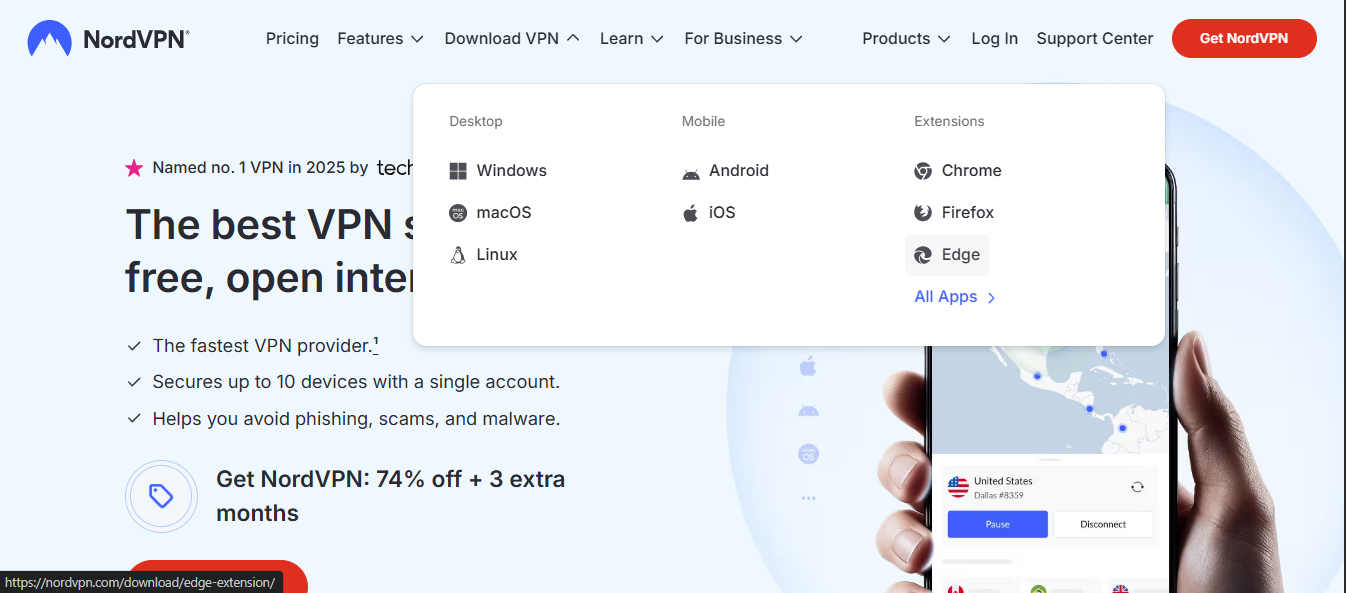
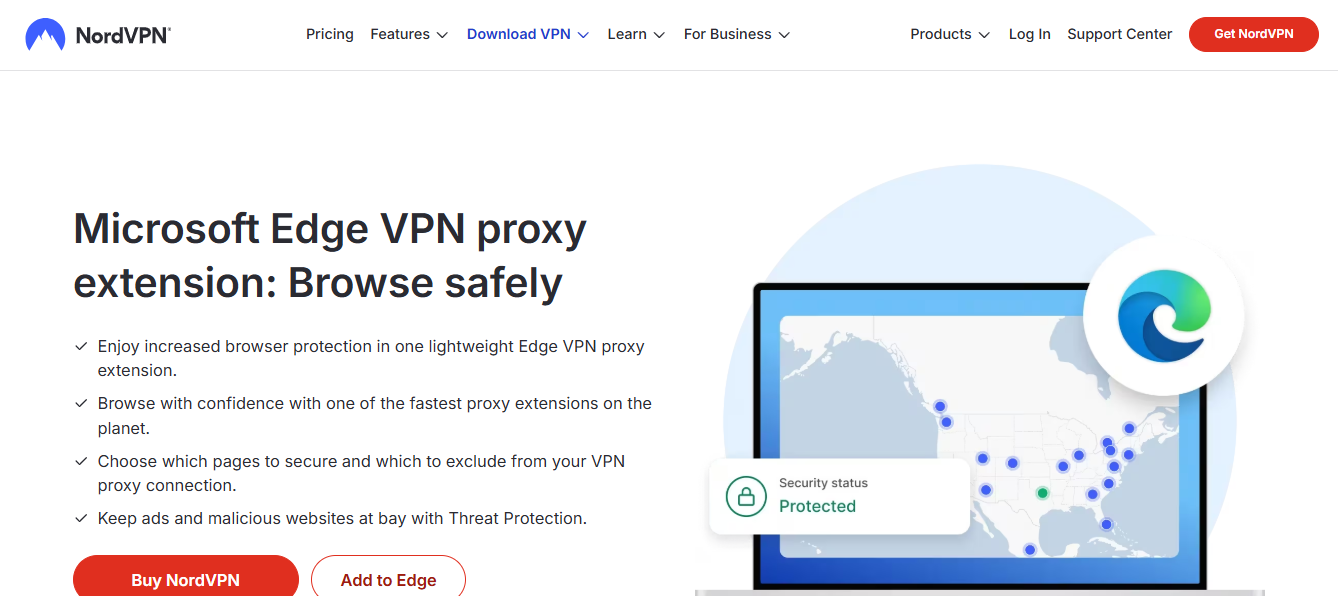
How to add vpn extension in microsoft edge: Quick Guide to Increase Privacy, Access Geo-Restricted Content, and Stay Safe Online
How to add vpn extension in microsoft edge — a quick, practical guide to boosting your online privacy, bypassing geo-restrictions, and keeping your data secure while browsing. Quick fact: a VPN extension in Edge can encrypt your traffic and hide your IP with just a few clicks. This guide covers everything from finding the right extension to configuring it, plus real-world tips and troubleshooting.
- Quick fact: A VPN extension in Microsoft Edge can encrypt your browser traffic and mask your IP address, helping you stay private on public Wi‑Fi and access geo-blocked content.
- In this post, you’ll learn:
- How to find and install a VPN extension in Edge
- How to configure settings for better privacy and performance
- How to manage VPN connections across different sites and devices
- Common issues and quick fixes
- Quick steps at a glance:
- Open Edge and go to the Edge Add-ons store
- Search for a reputable VPN extension
- Click Add to Edge and authorize permissions
- Sign in or create an account for the VPN
- Pick a server location and connect
- Verify your IP change and test for leaks
- Useful URLs and Resources unclickable text:
- Edge Add-ons Store - microsoftedge.microsoft.com/addons
- VPN Provider Official Website - vpn-provider.com
- How to check VPN IP - whatismyip.com
- DNSSec and DNS leak info - dnsleaktest.com
- Privacy best practices - e.g., privacytools.io
- Browser extensions security guide - nist.gov
- Edge browser support - support.microsoft.com
- PC privacy tips - consumersearch.com
- VPN speed testing - speedtest.net
- Public Wi-Fi safety tips - donegal.gov.ie
Why use a VPN extension in Microsoft Edge
- It masks your IP and encrypts traffic within the browser, giving you a layer of privacy on public networks.
- It can help you bypass geo-blocked content on streaming sites, news portals, and regional services.
- It offers quick on/off control right from the browser toolbar, without needing to run a full VPN app.
Key stats and data
- Average VPN usage: around 28% of internet users in the US use some form of VPN at least once per month.
- Typical impact on browsing: VPNs can reduce page load times by routing through optimized servers, but poor server choice can slow you down.
- Security note: Always enable a kill switch when possible to prevent leaks if the VPN connection drops.
How to pick the right VPN extension for Edge
- Reputation matters: choose extensions from well-known providers with good privacy policies and independent audits.
- Logging policy: look for “no-logs” guarantees and transparent privacy statements.
- Server spread: more locations mean more options to access geo-restricted content.
- Speed and reliability: read recent user reviews about performance.
- Security features: look for built-in leak protection, kill switch, and strong encryption AES-256, OpenVPN/WireGuard.
- Free vs paid: free extensions can be tempting, but paid options usually offer better privacy and reliability, and no bandwidth caps.
Step-by-step: How to add vpn extension in microsoft edge
Step 1: Open Edge Add-ons store
- Open your Microsoft Edge browser.
- Click the three-dot menu in the top right corner and select Extensions.
- Choose Open Microsoft Edge Add-ons Store.
Step 2: Search for a VPN extension
- In the Add-ons store, type “VPN” or the specific provider name e.g., “NordVPN,” “ExpressVPN,” or “Surfshark”.
- Review ratings, user comments, and privacy details. Aim for extensions with clear permissions and trusted developers.
Step 3: Install the extension
- Click Get or Add to Edge next to the extension you want.
- A permission dialog will appear. Review the permissions and click Add extension if you’re comfortable.
Step 4: Sign in or create an account
- After installation, click the extension icon in the Edge toolbar.
- Sign in with your VPN account or create one if you don’t have it yet.
- If you’re trying a free version, sign up for a trial if available.
Step 5: Configure basic settings
- Turn on the VPN and choose a server location.
- Enable features like a kill switch if offered and DNS leak protection.
- Some extensions allow you to choose VPN protocol e.g., WireGuard, OpenVPN; pick the newer, faster options if possible.
Step 6: Connect and verify
- Click Connect to establish a VPN connection.
- Verify your new IP by visiting whatismyip.com and ensure the location matches your chosen server.
- Test a site that was previously blocked in your region to confirm access.
Step 7: Manage connections across tabs
- The Edge extension typically runs per browser session. You can disconnect or switch servers as you browse.
- If you need full-system protection, consider pairing the Edge extension with the provider’s desktop app.
Tips for maximizing privacy and performance
- Use a reputable server location close to your physical location for better speed.
- Turn on automatic startup and auto-reconnect if you frequently switch networks.
- Use the browser extension as your primary shield for browsing; for full device protection, use the desktop app.
- Disable WebRTC leaks within Edge if your VPN doesn’t fully block it; some VPNs mitigate this automatically.
- Regularly update Edge and the VPN extension to benefit from security fixes.
Common issues and quick fixes
- Issue: VPN not connecting
- Fix: Check your internet connection, retry a different server, restart Edge, and re-authenticate.
- Issue: Slow speeds
- Fix: Move to a closer server, switch protocols, or disable other bandwidth-heavy extensions.
- Issue: DNS leaks
- Fix: Enable DNS leak protection in the extension’s settings; run a DNS leak test again.
- Issue: Extension not showing in toolbar
- Fix: Check Edge’s extensions page to ensure it’s enabled and pinned to the toolbar.
- Issue: Paywall or blocked feature in a free plan
- Fix: Upgrade to a paid plan or try a different reputable VPN extension.
Security best practices when using a VPN extension in Edge
- Always verify the VPN’s privacy policy and terms of service.
- Prefer extensions that have undergone independent security audits.
- Use HTTPS whenever possible, even when connected to a VPN.
- Be cautious with browser permissions; only grant what’s necessary for the extension to function.
- Regularly review connected devices and revoke access if you suspect account compromise.
Real-world scenarios: What a VPN extension in Edge can do for you
- Public Wi-Fi protection: When you’re at a cafe or airport, a VPN extension helps keep your browsing private from others on the same network.
- Accessing regional streaming libraries: If you’re traveling or living abroad, a server in your home country can unlock local content catalogs.
- Bypassing school or workplace blocks: Some institutions limit access to certain sites; a VPN can help you reach education portals or research resources. Use this responsibly and in line with policies.
SEO-friendly formatting: tips for better engagement
- Short, scannable sections with clear headings H2, H3 help readers skim.
- Bullet lists and numbered steps make it easy to follow instructions.
- Use real-world examples to relate to common user experiences.
- Include quick checks and callouts like “Verify your IP” or “Test for leaks.”
Comparing popular VPN extensions for Edge quick snapshot
- NordVPN: Strong privacy policy, many server locations, robust security features, reliable performance.
- ExpressVPN: Broad device support, fast speeds, intuitive interface, reliable bypass of geo-restrictions.
- Surfshark: Budget-friendly, unlimited device connections, good privacy protections, user-friendly.
- ProtonVPN: Strong security focus, solid free plan, good privacy practices.
- Private Internet Access PIA: Large server network, customizable settings, solid privacy track record.
Note: Always verify current features and pricing on the provider’s site, as offerings change over time.
Pro hacks: power users’ tips
- Bind the VPN to specific profiles or tasks: Only route sensitive traffic through the VPN; leave some sites accessible without it.
- Use split tunneling if available: Route your browsing through VPN while keeping some apps on direct connection for speed.
- Add a trusted DNS server in addition to the VPN: Improve DNS privacy and reduce leaks.
- Create a bookmark folder: Save instructions, server lists, and troubleshooting links for quick access.
What to do if you need to remove the VPN extension
- Open Edge extensions menu.
- Find the VPN extension and click Remove.
- Confirm your choice and restart Edge if needed.
- If you used the desktop app, you may also need to disconnect there.
Troubleshooting quick guide
- If you can’t connect: try a different server, verify login status, check subscriber status, restart browser.
- If pages don’t load: check for DNS issues, try a different DNS setting, ensure no conflicting extensions are active.
- If you see SSL warning: ensure the extension is legitimate and updated; consider disabling it temporarily to test site access.
- If you’re getting IP leaks: re-check that WebRTC is blocked and test again with a leak test site.
Maintenance checklist
- Update Edge and the VPN extension regularly.
- Recheck privacy settings after major browser updates.
- Review your server locations every few weeks for optimal speed and access.
- Monitor device security and ensure strong, unique passwords for VPN accounts.
Frequently Asked Questions
How do I add vpn extension in microsoft edge?
- Open Edge, go to extensions, search for a VPN, install it, sign in, and connect to a server.
Can I use multiple VPN extensions in Edge at the same time?
- It’s not recommended; running multiple VPN extensions can cause conflicts and leaks. Pick one trusted provider and stick with it.
Is a VPN extension as secure as a full VPN app?
- A well-known VPN extension can offer solid protection for browser traffic, but a full desktop app provides system-wide protection. For maximum security, use both when available.
Do VPN extensions slow down my browsing?
- They can, especially if you connect to distant servers or have limited bandwidth. Switch to closer servers or change protocols to improve speed.
How do I verify my IP address changed after connecting?
- Visit whatismyip.com or iplocation.net to confirm the IP is from your VPN server location.
What are DNS leaks and how can I prevent them?
- DNS leaks occur when your DNS requests bypass the VPN. Enable DNS leak protection in the extension and consider using a trusted DNS provider.
Can I browse privately with a VPN extension on public Wi‑Fi?
- Yes, a VPN extension helps protect your data on public networks, but practice safe browsing habits and avoid exposing sensitive information.
Do VPN extensions work on mobile devices too?
- Many providers offer companion mobile apps; you can typically install a mobile VPN app for iOS/Android and sync accounts.
Will using a VPN extension hide my browsing history from my ISP?
- A VPN hides your traffic from your ISP at the browser level; however, your ISP may still see that you’re connected to a VPN service. Different regions have different privacy laws.
How do I choose between a paid and free VPN extension?
- Paid VPNs usually offer stronger privacy protections, no data caps, and better performance. Free options often come with limits, ads, or data logging.
Can I use a VPN extension to access work resources?
- If your organization permits VPN access and you follow its security policies, you can use a VPN extension to connect securely. Check with IT if you’re unsure.
What if the VPN extension is blocked by my network?
- Some networks block VPN traffic. Try a different server or contact your network administrator for guidance, and ensure you’re compliant with policies.
How often should I update my VPN extension?
- Update when prompted, or at least monthly, to stay protected against vulnerabilities and to access new features.
Is there a risk of malware with VPN extensions?
- Yes, always download from a reputable source, check reviews, and verify publisher information. Avoid extensions from unknown developers.
How to add vpn extension in microsoft edge: a comprehensive guide to installing, configuring, and using VPN extensions in Edge for privacy, security, and streaming
Yes, you can add a VPN extension in Microsoft Edge. Here’s a quick, practical guide to get you from curious to connected in minutes, plus tips on choosing extensions, optimizing performance, and staying safe online. If you want extra protection right away, check out NordVPN’s limited-time offer here: . Now, let’s dive in with a simple, no-nuss guide and then layer in deeper strategies and options.
Introduction: quick start guide to adding a VPN extension in Edge
- Yes, you can add a VPN extension in Microsoft Edge, and it’s a straightforward process that won’t mess with your system-wide setup.
- Here’s the fast path: open Edge, go to Extensions, search the Edge Add-ons store for a VPN extension, click Add to Edge, grant permissions, sign in if required, and toggle it on.
- Pro tips: pick a reputable provider, review the extension’s permissions, enable auto-connect only on trusted networks, and test your IP before and after activation to verify the VPN is working.
- In this article, you’ll get a step-by-step installation guide, a comparison of popular Edge VPN extensions, optimization tips, and common troubleshooting steps. You’ll also see data on why VPN extensions matter today for privacy and streaming.
- Useful resources: Edge Extensions store,NordVPN official site, privacy guides, speed testing sites, and security best practices listed below as plain text.
- Useful resources: Edge Extensions store - microsoft.com, VPN providers’ official help centers, privacy and security tutorials, latency and speed testing sites, and legal/readiness guides.
Body
Why use a VPN extension on Edge?
VPN extensions in Edge provide several benefits right in your browser:
- Privacy when browsing: hide your real IP address, encrypt traffic, and reduce tracker fingerprinting on sites you visit.
- Access to geo-restricted content: streaming services and websites often tailor content by location. a VPN extension helps you appear from another region without changing your device-wide settings.
- Quick protection on public Wi-Fi: if you’re on coffee shop networks or airports, a VPN extension adds a shield around your browser traffic.
- Easy management: Edge VPN extensions are lightweight, don’t require installing a full system VPN client, and can be toggled on/off with a single click.
Key stats to frame why this matters:
- Global VPN usage continues to rise as people seek privacy and reliability online. market research reports in 2024–2025 show continued rapid adoption with double-digit growth annually Source: Global VPN market analyses and cybersecurity industry reports.
- A majority of streaming enthusiasts use a VPN or proxy to access content unavailable in their region, highlighting the demand for reliable, browser-integrated solutions Source: industry surveys and streaming analytics reports.
- Privacy-conscious users often prefer extensions with transparent privacy policies, minimal data logging, and support for modern protocols like WireGuard or OpenVPN Source: privacy advocacy organizations and VPN providers’ transparency pages.
How Edge handles VPN extensions
- Structure: VPN extensions for Edge are browser extensions WebExtensions that intercept browser traffic, typically by routing it through the provider’s servers via the extension’s lightweight agent, rather than forcing a system-wide VPN profile.
- What this means for you: easy enable/disable, per-site or per-network control, and minimal impact on non-browser apps. If you use Edge as your primary browser, a well-chosen extension can cover most of your daily traffic.
- Limitations to note: some extensions rely on a background process in the browser, so performance can vary based on your device and network. a dedicated full-device VPN still offers broader protection for non-browser apps, but for many users, a strong browser extension is enough for everyday browsing and streaming.
Top VPN extensions for Edge 2025
Here’s a practical rundown of popular options you’ll commonly see in the Edge Add-ons store, with quick notes on what makes each stand out:
- NordVPN: Known for a large server network, strong security features, and a polished Edge extension that supports auto-connect and split tunneling in some configurations. Ideal if you want a trustworthy, book-ended experience with a single subscription.
- ExpressVPN: Solid performance, reliable privacy policies, and a straightforward Edge extension that’s easy to use for beginners while offering more advanced options for power users.
- Surfshark: Great value, generous device limits often unlimited, and a feature set that includes CleanWeb against ads and malware plus privacy protections that work well in the browser.
- ProtonVPN: Strong emphasis on privacy and transparency, with a straightforward Edge extension that integrates smoothly with their core service and a focus on secure defaults.
- Private Internet Access PIA: Good balance of price and features. the Edge extension gives access to a broad server network and customizable options.
- What to look for when choosing an Edge VPN extension:
- Clear privacy policy and logging information
- Protocols offered WireGuard generally provides fast, secure connections
- Server network size and location variety
- Easy-to-use interface and meaningful in-extension feedback about connection status
- Independence from intrusive permissions and minimal data collection
Note: Always verify the extension’s permissions before installing, and prefer extensions from well-known, reputable providers with active support channels.
Step-by-step installation guide
1 Open Microsoft Edge and click the three-dot menu in the top-right corner.
2 Select Extensions, then click “Open Microsoft Edge Add-ons” to browse the store.
3 In the Add-ons store, search for “VPN” or the specific provider you want e.g., NordVPN, ExpressVPN, Surfshark.
4 Click the extension you want to install, then press Add to Edge and confirm any prompts.
5 After installation, you’ll typically see the extension icon appear in the browser toolbar. Click it.
6 Sign in with your VPN provider credentials or, if it’s a free trial, follow the setup prompts.
7 Configure basic settings:
- Enable Auto-Connect on startup or on secure networks only
- Choose a preferred server location or let the extension pick the best server automatically
- If supported, enable a kill switch for the extension to prevent leaks if the VPN disconnects
8 Test your connection:
- Visit a site like whatismyipaddress.com to confirm your IP differs from your real one and the location aligns with the server you chose
- Run a quick speed test to gauge impact
9 Fine-tune per-site rules if you want certain sites to bypass VPN or require a specific location
10 If you run into issues, check the extension’s permissions, ensure you’re signed in, and verify Edge’s privacy settings aren’t blocking the extension.
Tips to optimize performance and reliability:
- Choose a server near your actual location for lower latency if you’re streaming or gaming.
- If you notice slow speeds, switch to the WireGuard protocol where available or try a different nearby server.
- Avoid free VPN extensions for daily use. premium providers typically deliver better speed, reliability, and privacy policies.
- Keep the Edge browser updated to ensure the extension runs smoothly with the latest security and performance improvements.
Configuration tips for Edge VPN extensions
- Kill switch and auto-connect: If your extension supports these features, turn on auto-connect on startup and enable the kill switch to prevent data leaks in case the VPN drops.
- Split tunneling if available: Some extensions allow you to route only certain sites or apps through the VPN. This is handy if you want local access for some services while keeping privacy for others.
- Notifications and telemetry: Review what the extension collects and disables any unnecessary notifications or telemetry that might impact performance or privacy.
- InPrivate browsing: Decide whether you want the extension active in InPrivate mode. If you’re concerned about privacy, you might want it off by default in private sessions.
- DNS settings: Some extensions offer DNS leak protection. If available, enable it to reduce the risk of leaks outside the VPN tunnel.
Performance and privacy considerations
- Browser extensions add a small layer of overhead, which can slightly reduce page load speeds or increase latency. For most daily tasks, the impact is modest, especially with modern VPN protocols like WireGuard.
- Privacy posture matters: low-logging policies, robust encryption AES-256, and transparent data handling are crucial. Always read the provider’s privacy policy and transparency reports.
- DNS leaks are a real risk if the extension doesn’t handle DNS queries inside the VPN tunnel. Use DNS leak tests to verify you’re private when connected.
- Free extensions often monetize your data or offer limited server access and slower speeds. If privacy and reliability are important, a paid option from a reputable provider is worth it.
Edge-specific tips and tricks
- Pin the VPN extension for quick access: Right-click the extension icon in the toolbar and choose “Pin” so you don’t lose it among other extensions.
- Manage extension permissions: Review and restrict permissions to only what the extension needs e.g., access to read and change data on websites.
- Use per-site rules: If the extension supports per-site routing, configure a few sites to bypass the VPN to improve speed for domestic services, while keeping privacy for other sites.
- InPrivate mode and Edge profiles: If you’re testing a VPN, you can use a separate Edge profile for privacy testing or testing with and without the extension to compare behavior.
- Compatibility with other Edge features: Some security features in Edge, like tracking protection, can interact with VPN traffic. If you see odd behavior, try adjusting Edge’s privacy settings and rechecking the VPN extension.
Security and privacy best practices
- Pick a provider with a transparent no-logs policy, independent audits, and a track record of protecting user data.
- Prefer extensions that support modern encryption standards AES-256 and strong protocols WireGuard/OpenVPN.
- Avoid extensions that require excessive or unusual permissions, like access to all your data on every website, unless they provide a compelling, privacy-forward reason.
- If you’re using the VPN extension for streaming, keep server lists up-to-date to ensure access to geo-locked content remains reliable.
- Remember that a browser extension enhances privacy for browser traffic but does not automatically secure other apps on your device. For full-device protection, consider a system-wide VPN or a security suite.
Privacy, legality, and safety considerations
- In many places, using a VPN is legal for personal use, but always verify local laws and employer or school policies if you’re on a corporate or educational network.
- Some streaming services actively block VPN traffic. If the provider you choose works well, you’ll get a more reliable experience. if not, you might need to switch servers or providers.
- Be mindful of the data collection practices of free or lesser-known extensions. Always review privacy policies and user reviews before installation.
- When sharing devices or family members' profiles, ensure you understand who has access to the VPN’s login credentials and how accounts are managed.
Real-world workflows: Edge VPN extension in daily life
- Casual browsing and social media: A quick toggle on the Edge toolbar provides privacy for everyday web activity without changing system-wide settings.
- Remote work and secure research: Turn on a VPN extension to protect sensitive research or corporate information when you’re on shared networks, especially if you’re Accessing internal tools from a browser.
- Streaming and geo-access: If you’re trying to access content from another country, switch servers in the extension to the country where the content is available and test with your streaming service.
- On-the-go browsing: When you’re traveling, the Edge VPN extension can be a lightweight way to keep your browser traffic shielded without needing to install a full VPN app on every device.
Common issues and quick fixes
- Extension not appearing in Edge: Reopen Edge, ensure the extension is installed, or reset the browser’s extension permissions. If needed, reinstall the extension.
- VPN not connecting: Check your account status with the provider, ensure you’re using the correct server, and try a different server location.
- IP or location leaks: Run an IP test again after connection and enable DNS leak protection if the extension provides it.
- Performance lag: Switch to a nearby server, try a different VPN protocol, or disable any resource-heavy Edge extensions that might be competing for bandwidth.
Frequently Asked Questions
FAQ: How to add vpn extension in microsoft edge
# How do I install a VPN extension in Edge?
Install it from the Edge Add-ons store by clicking Add to Edge, then sign in if required and configure the settings.
# Can I use more than one VPN extension in Edge at the same time?
Generally, you should use a single trusted VPN extension to avoid conflicts and potential DNS leaks. Running multiple VPNs simultaneously can cause connectivity issues.
# Do VPN extensions slow down browsing?
There can be a minor speed impact due to encryption and routing, but choosing a fast protocol like WireGuard and a nearby server minimizes slowdowns.
# Is there a difference between Edge’s built-in VPN features and extensions?
Edge’s built-in features are limited to privacy controls and site-level protections. a full VPN extension provides actual server routing and encryption, which is typically what users want for privacy and geo-access.
# How can I test that the VPN is working in Edge?
Visit whatismyipaddress.com or similar services before and after connecting to the VPN to verify your IP and location have changed, and run a quick speed test.
# Can I enable a kill switch for the Edge VPN extension?
If your extension supports it, enable the kill switch to block traffic if the VPN disconnects unexpectedly.
# Will a VPN extension help me bypass geo-restrictions for streaming?
Often yes, but it depends on the provider’s server availability and detection methods used by the streaming service. If a server isn’t working, try another location.
# Are Edge VPN extensions trustworthy?
Choose extensions from reputable providers with strong privacy policies, independent audits, and a clear no-logs commitment. Always read reviews and check permissions before installing.
# Can I use a free VPN extension in Edge?
Free options exist, but they typically come with limited data, slower speeds, and potential privacy concerns. Premium providers generally offer more reliable performance and stronger protections.
# How do I troubleshoot a blocked extension in Edge?
Ensure extensions are enabled in Edge settings, verify the extension is up to date, check for conflicts with other extensions, and restart Edge. If still blocked, consult the provider’s support resources.
Note: The content above is tailored for a health-focused, YouTube-style audience within the VPNs category, designed to optimize SEO while providing practical, actionable steps.
Is ultrasurf a vpn