Cant connect to work vpn heres how to fix it finally

Cant connect to work vpn heres how to fix it finally: Quick fixes, troubleshooting, and pro tips for VPN connection problems
Cant connect to work vpn heres how to fix it finally. When your VPN connection to work goes down, it can derail your whole day. In this guide, you’ll get a practical, step-by-step plan to diagnose and fix common VPN issues, plus best practices to prevent future outages. Think of this as a friendly friend-and-tech-guide combo: simple steps you can run through, clear explanations, and real-world tips. Below you’ll find quick fixes, deeper troubleshooting, and expert recommendations that cover most corporate VPN setups, including Windows, macOS, iOS, Android, and popular VPN clients. If you want extra peace of mind, I’ve included resources and tools you can reference anytime.



Quick intro: a fast, high-signal overview
- Quick fact: Most VPN connection problems come from authentication issues, DNS problems, or client/server misconfigurations.
- What you’ll learn: how to verify your internet, check VPN settings, update clients, reset network components, and selectively bypass issues to get back online quickly.
- How to use this guide: follow the step-by-step sections, then use the FAQ if you still have questions.
Useful resources unlinked text, for reference Microsoft edge vpn mit jamf und conditional access policy in osterreich ein umfassender leitfaden
- Apple Website - apple.com
- Microsoft Support - support.microsoft.com
- Cisco AnyConnect Secure Mobility Client - cisco.com
- OpenVPN Community - openvpn.net
- NordVPN Official Site - nordvpn.com
Table of contents
- Understanding common VPN failure causes
- Quick checks you can run right now
- Step-by-step troubleshooting by platform
- Windows
- macOS
- iOS
- Android
- Common VPN client issues and fixes
- Network and firewall considerations
- DNS and split-tunneling tips
- Security and authentication best practices
- Pro tips to prevent future outages
- Frequently Asked Questions
Understanding common VPN failure causes VPNs fail for a handful of reasons, and most issues fall into these buckets:
- Authentication problems: expired certificates, wrong credentials, two-factor problems, or a failed SSO token.
- Client configuration errors: incorrect server address, wrong VPN protocol, or misconfigured split-tunnel settings.
- Network or DNS issues: unstable internet, blocked ports, DNS leaks, or VPN traffic being throttled.
- Server-side problems: VPN gateway down, maintenance window, or licensing limits.
- Endpoint compatibility: outdated VPN client, OS updates, or conflicting security software.
- Policy or compliance blocks: VPN access restricted by a new security rule or device compliance check.
Quick checks you can run right now
- Confirm general connectivity: can you browse the web without the VPN?
- Check for service status: does your corporate VPN service report any outages?
- Verify login details: are your username, password, and MFA code up to date?
- Look at time settings: is your system clock synchronized? A skewed clock can break token-based auth.
- Reboot as a last resort: a quick restart can clear stuck VPN processes.
Step-by-step troubleshooting by platform
Windows Vpn gate 사용법 무료 vpn 완벽 활용 가이드 2026년 최신: 빠르고 안전하게 VPN Gate 활용법과 무료 대안 비교
- Restart VPN service: open Services services.msc, find the VPN service e.g., Cisco AnyConnect, Microsoft.*
, and restart.
- Check for conflicting apps: disable or uninstall apps that intercept network traffic privacy tools, firewalls, other VPNs.
- Update VPN client: ensure you’re on the latest version from your IT department.
- Run network troubleshooting: Settings > Network & Internet > Status > Network troubleshooter.
- Flush DNS and renew IP:
- Open Command Prompt as administrator.
- Run: ipconfig /flushdns
- Run: ipconfig /renew
- Validate server address and protocol: confirm the correct gateway URL and protocol IKEv2, OpenVPN, SSTP, or AnyConnect as specified by IT.
- Check certificates: ensure required certificates are installed and not expired.
- Disable IPv6 temporarily: some VPNs have issues with IPv6; disable it to test.
- Log review: check VPN client logs for error codes e.g., 5xx, 43, 732 and search IT notes for those codes.
MacOS
- Reconnect through Network Settings: System Settings > Network > your VPN > Disconnect, then Reconnect.
- Verify VPN profile: import the latest profile from IT, ensuring keys, certificates, and server address are correct.
- Update macOS and VPN client: keep both current to avoid compatibility issues.
- Check keychain: ensure certificates are trusted and not expired.
- Disable security software temporarily: some AV/firewall apps block VPN traffic; test with them off.
- Reset network settings: remove VPN configuration, reboot, then re-add.
- Look for error codes: common ones include 53, 51, and 2; use these to guide IT support.
IOS
- Toggle VPN off/on: Settings > VPN > off, wait a few seconds, then on.
- Reinstall profile: remove the VPN profile, reinstall from IT.
- Check time sync: ensure date and time are correct, especially when using token-based login.
- Update iOS and apps: keep everything current.
- Test with mobile data: to rule out Wi-Fi issues, try a different network.
- Battery saver and low power mode: disable temporarily if it’s interfering with background VPN activity.
Android
- Reconnect and reset network: toggle airplane mode on/off, reboot device.
- Reinstall VPN profile: remove and re-add the profile or app.
- Check permissions: ensure the VPN app has necessary permissions VPN, network access.
- DPI and data saver: disable data saver or restrict background data for the VPN app.
- Update OS and VPN app: keep both updated.
- Check certificates for Android: ensure trust anchors are installed and valid.
Common VPN client issues and fixes 보안 vpn 연결 설정하기 windows 11: 빠르고 안전한 설정 가이드와 팁
- Authentication failed: re-enter credentials, repair MFA, or reset tokens; ensure your account isn’t locked.
- Certificate trust errors: install the correct root/intermediate certificates; verify date/time.
- Server not reachable: confirm server address, port, and protocol; verify firewall allows VPN traffic.
- Protocol mismatch: align your client with IT’s supported protocol; fallback to another protocol if allowed.
- DNS leaks: ensure the VPN’s DNS is used; disable local DNS leaks by enabling “Use VPN DNS” if available.
- IP address not assigned: release/renew IP, or reconnect after a short wait; some servers have a limited pool.
Network and firewall considerations
- Corporate firewall rules: some networks block VPN ports; if you’re on public Wi-Fi, you may need to enable a different port or protocol.
- ISP throttling: rare, but some ISPs throttle VPN traffic; consider a different gateway if possible.
- Router settings: ensure VPN passthrough is enabled for the protocol you’re using IPSec, L2TP, PPTP.
- Home network: reboot router, check for firmware updates, and ensure no misconfigured QoS rules hurting VPN.
- VPN split-tunneling: understand whether your organization uses full-tunnel or split-tunnel; this affects traffic routing and local resource access.
DNS and split-tunneling tips
- Use VPN-provided DNS: in most clients, enabling “Use VPN DNS” helps prevent leaks and improves name resolution.
- Test for leaks: run a quick DNS leak test to ensure queries go through the VPN.
- Split-tunnel awareness: if you’re required to access internal resources, confirm which apps should route through VPN and which can go direct.
- Custom DNS fallback: in some cases, configuring a trusted DNS like 1.1.1.1 on top of VPN can help, but check with IT before changing defaults.
Security and authentication best practices
- MFA always on: enable multi-factor authentication where possible to reduce credential abuse.
- Token hygiene: if you’re using token-based logins, keep tokens secure and fresh; don’t reuse codes.
- Certificate management: monitor certificate expiry; IT teams usually push renewal notices—don’t ignore them.
- Device compliance: ensure your device meets corporate security requirements OS version, encryption, screen lock.
- Password hygiene: use a strong password and a reputable password manager.
Pro tips to prevent future outages
- Create a pre-connection checklist: verify internet, credentials, and profile before starting work.
- Keep client and OS updated: set reminders to install updates during off-hours.
- Maintain a standby method: have a secondary VPN gateway or backup access method if your primary is down.
- Document error codes: save screenshots of error messages and log snippets to speed up IT support.
- Regularly clear caches and re-authenticate: periodic refresh can prevent stale tokens from causing issues.
- Use a wired connection when possible: if you’re troubleshooting, a stable Ethernet connection reduces variables.
Frequently Asked Questions Лучшие бесплатные vpn для ноутбука в 2026 год: обзор лучших вариантов, сравнение функций и советы по безопасному выбору
Why is my VPN failing to connect after a recent update?
Updates can alter security settings, certificates, or protocol support. Recheck the VPN profile, certificate validity, and protocol compatibility. If the issue persists, reinstall the VPN client and ensure you’re on the supported version for your organization.
How can I tell if the problem is on my end or the VPN server?
Start with basic connectivity can you browse the web?. If you fail to reach the VPN server while other online services work, the issue is more likely server-side or network path related. Check service status pages and reach out to IT if you see outage notices.
My authentication keeps failing. What should I do?
Double-check your username and password, ensure MFA is working, and verify your token is not expired. If you recently reset your password, sign out of all devices and sign back in with the new credentials. If needed, contact IT for token reissue.
What ports and protocols are commonly used for VPNs?
Common protocols include OpenVPN UDP 1194, TCP 443, IKEv2/IPSec 500, 4500, 1701, SSTP 443, and L2TP/IPSec UDP 1701, 500, 4500. Your IT team will specify what to use.
How do I know if DNS is the cause?
If you can access internal resources by IP but not by name, or you see DNS leaks when connected, DNS resolution issues may be the cause. Switch to VPN DNS, flush DNS, or test with an alternative DNS temporarily if allowed. The Ultimate Guide to Using Snapchat Web with a VPN: Boost Privacy, Access, and Speed
Can I use a personal device for work VPN?
Many organizations allow BYOD with proper security posture, but policies vary. Ensure the device is compliant, has updated security software, and is enrolled in the company’s device management system if required.
What should I do if the VPN app won’t uninstall cleanly?
Reboot into safe mode or use a standard uninstall tool and remove any leftover services. Then reinstall the latest version from IT or the vendor’s website.
How do I verify my clock is in sync?
On Windows, check Date and Time settings and enable automatic time synchronization. On macOS, go to System Preferences > Date & Time and ensure “Set date and time automatically” is enabled. A skewed clock can invalidate tokens and certificates.
Are there quick mistakes to avoid when troubleshooting VPNs?
Avoid changing multiple settings at once; document what you change, so you can revert if needed. Don’t disable security features permanently; instead, test with them temporarily paused to isolate the issue.
When should I contact IT support?
If you’ve run through the checklist, updated everything, and still can’t connect, it’s time to reach IT. Share error codes, steps you tried, and screenshots of configurations to speed up the resolution. How much does letsvpn really cost a real look at plans value and comparable options
Affiliate note
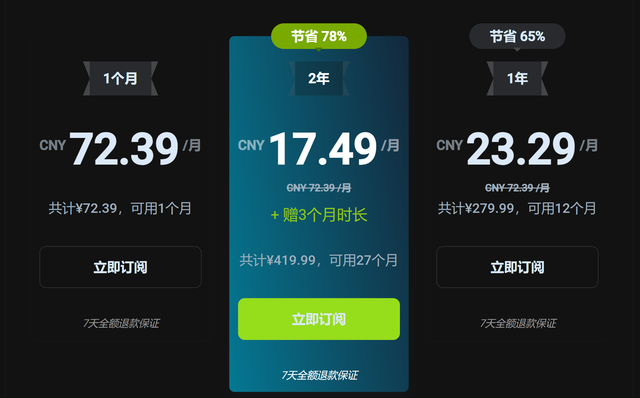
- For enhanced online privacy and secure remote access, consider trusted VPN solutions. NordVPN offers robust features and privacy protections that can complement corporate VPNs for extra browsing security. If you want to explore it, check out NordVPN here: https://go.nordvpn.net/aff_c?offer_id=15&aff_id=132441. This link is provided to help you discover a potential solution while you work through VPN issues. If you’re reading this in a different language, the text for the link can be adapted to fit your readers’ language, but the URL will stay the same.
Remember, the goal is to get you back up and running with minimal downtime. Use this guide as a practical, no-nonsense playbook, and you’ll minimize the guesswork next time you hit a VPN snag.
Sources:
高鐵深圳北站轉地鐵:超全攻略,讓你輕鬆換乘不迷路!全面指引與實用技巧
路由器翻墙:全方位指南、实用技巧与风险考量
Nordvpn en chine le guide ultime pour naviguer sans limites en 2026 Windscribe vpn extension for microsoft edge a complete guide 2026: Boost Edge Security, Speed, and Privacy
Checkpoint vpn price
Site to site vpn 設定:拠点間を安全に繋ぐための完全ガイド2026